509-315-9840

When Does Thumb Sucking Actually Damage Your Child’s Teeth



Many parents in Spokane Valley wonder when thumb sucking actually damages your child’s teeth — and when it is simply a normal part of growing up. The truth is that timing matters enormously. Not every child who sucks their thumb will end up with orthodontic problems. Understanding the difference between a harmless habit and a dental concern can save you worry and help your child thrive. Dr. Kirk Bean at Dr. C Orthodontics is here to walk you through exactly what parents need to know.
Why Babies and Toddlers Suck Their Thumbs
Thumb sucking is a natural reflex. Babies often begin this habit in the womb, and it provides genuine comfort during infancy. It helps young children self-soothe during stressful or unfamiliar situations. This behavior is completely normal and rarely causes lasting harm in children under age four.
Pacifier use follows similar patterns. Many pediatric dentists and pediatricians actually prefer pacifiers over thumb sucking. Pacifiers can be taken away, while a thumb cannot. Both habits serve an important emotional purpose in early childhood development.
The key question is not whether the habit exists, but how long it continues. A toddler who sucks their thumb occasionally is not a cause for alarm. The concern rises when the habit persists past the age when permanent teeth begin to develop.
When Thumb Sucking in Spokane Valley Becomes a Dental Concern
Dental professionals generally agree on a clear threshold. Children who stop thumb sucking before age four rarely develop significant orthodontic problems. Their mouths are still growing and remarkably resilient at this stage. The jaw and palate can self-correct in many cases once the habit ends.
Problems typically begin when thumb sucking continues past ages four to six. This is when permanent teeth start moving into position. Consistent pressure from thumb sucking can push teeth and reshape the jaw over time. The result can be an open bite, an overbite, or a narrowed palate.
The intensity of the habit also matters. A child who passively rests their thumb in their mouth causes less damage than one who sucks vigorously. Frequent, forceful sucking accelerates the risk significantly. Parents should observe both the duration and the intensity of their child’s habit.
- Thumb sucking before age four is generally harmless
- Habits persisting past age four to six increase orthodontic risk
- Vigorous sucking causes more damage than passive resting
- Open bite and overbite are common results of prolonged habits
- A narrowed palate can affect breathing and speech as well
Signs That the Habit May Already Be Affecting Your Child’s Smile
Sometimes the dental effects are already visible before parents realize the habit has gone on too long. Dr. Kirk Bean encourages Spokane Valley families to look for early warning signs. Catching problems early allows for much simpler correction. Waiting too long can mean more extensive treatment later.
Watch for these changes in your child’s mouth and face:
- The front teeth do not meet when the mouth is closed — this is an open bite
- The upper front teeth protrude noticeably forward
- The roof of the mouth appears narrow or high-arched
- Your child develops a lisp or changes in speech patterns
- The lower jaw appears pushed back relative to the upper jaw
If you notice any of these signs, schedule a visit with Dr. C Orthodontics. Early evaluation does not always mean immediate treatment. It means you have more options and more time to act wisely. Many alignment issues caught early can be guided with simple appliances or habit-breaking tools.
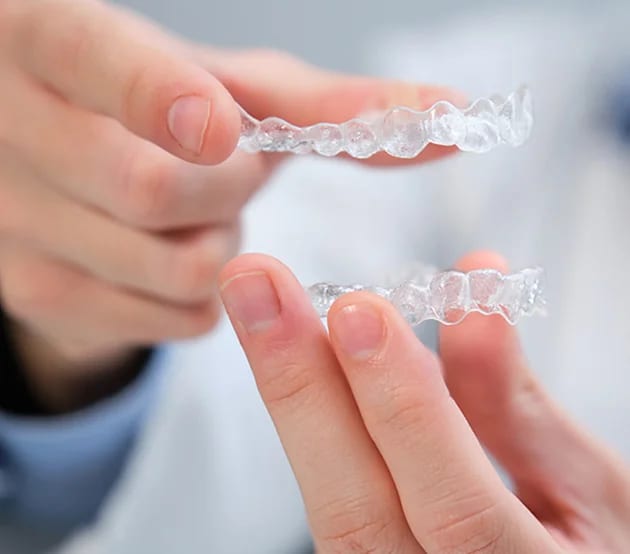
For older children whose teeth have already shifted, orthodontic solutions exist. Options like Invisalign Info Spokane Valley can help correct misalignment caused by prolonged thumb sucking. Treatment timing and approach depend on each child’s individual growth stage and needs.
How to Help Your Child Stop Without Conflict
Forcing a child to stop thumb sucking rarely works. In fact, pressure and shame often make the habit worse. Children use this habit to manage anxiety. Adding more stress can increase the urge to suck. A gentle, supportive approach is far more effective.
Start with awareness. Many children do not even realize they are doing it. Kindly pointing it out — without criticism — can be enough for some kids to begin self-correcting. Celebrate small victories enthusiastically. Positive reinforcement builds confidence and motivation to change.
Try these practical strategies at home:
- Identify triggers — notice when the habit happens most (bedtime, TV time, stress)
- Offer a comfort alternative — a stuffed animal or stress ball can replace the habit
- Use a reward chart — track thumb-free days with fun stickers or small prizes
- Apply a bitter-tasting nail coating — these are safe, dental-approved, and effective
- Talk to your child — explain in simple terms why stopping helps their smile
If home strategies are not working by age five or six, ask Dr. Kirk Bean about dental appliances. A palatal crib or habit reminder appliance can discourage thumb sucking gently and effectively. These devices work without pain and without conflict. They simply make the habit less satisfying.
Parents of children who may need broader orthodontic correction down the road can also explore options early. Invisalign Clear Braces Spokane Valley offers a discreet path to straighter teeth for older children and teens once habit correction is complete.
What to Expect at Your Child’s Orthodontic Visit
Many parents delay bringing their child in because they worry it is too early. The American Association of Orthodontists actually recommends a first orthodontic evaluation by age seven. Dr. Kirk Bean uses these early visits to monitor development. No treatment is necessarily started — it is simply a baseline check.
During your visit, Dr. Bean will assess the position of your child’s teeth and jaw. He will look for signs of thumb sucking-related changes. He will also ask about the frequency and nature of the habit. Together, you and Dr. Bean will create a calm, realistic plan.
Spokane Valley families appreciate the friendly, no-pressure environment at Dr. C Orthodontics. The goal is always education and empowerment — not urgency or alarm. Your child’s comfort and confidence come first at every appointment.
Conclusion: A Healthy Smile Starts With Awareness
Knowing when thumb sucking actually damages your child’s teeth in Spokane Valley puts you in the driver’s seat as a parent. The habit is normal early on and becomes a concern only when it lingers into school age. Watch for signs, use gentle strategies at home, and seek professional guidance when needed. Dr. Kirk Bean and the team at Dr. C Orthodontics are always here to help your child build a healthy, confident smile. Book Now to schedule your appointment with our team.
Frequently Asked Questions
At what age should I start worrying about my child’s thumb sucking habit?
Most dental professionals agree that thumb sucking before age four is unlikely to cause lasting harm. Concern grows when the habit continues past age four to six, especially as permanent teeth begin to erupt. If your child is still sucking their thumb at kindergarten age, it is a good time to schedule an evaluation with Dr. Kirk Bean at Dr. C Orthodontics in Spokane Valley.
Is pacifier use safer than thumb sucking for my child’s teeth?
Pacifiers are generally considered easier to manage because you can control when and how they are used. They can be gradually taken away, whereas a thumb is always available. Both habits carry similar dental risks if continued past age four, but the pacifier habit is often easier to break with a structured plan.
Can the dental damage from thumb sucking be corrected?
Yes, in most cases the damage can be corrected, especially when caught early. Young children’s jaws are still growing, so self-correction is possible once the habit stops. Older children may benefit from orthodontic treatment to guide teeth back into proper alignment. Dr. Bean will assess your child’s specific situation and recommend the most appropriate approach.
What dental appliances can help stop thumb sucking?
A palatal crib is a common orthodontic appliance used to discourage thumb sucking. It fits in the roof of the mouth and makes the habit feel less rewarding without causing pain or discomfort. Habit reminder appliances work similarly. Dr. Kirk Bean can determine whether an appliance is appropriate for your child during a consultation at Dr. C Orthodontics.
How do I talk to my child about stopping without causing anxiety?
Keep the conversation positive and age-appropriate. Explain that stopping will help their smile grow strong and straight. Avoid shame or punishment, which can increase stress and worsen the habit. Focus on rewards, celebrate progress, and involve your child in setting small, achievable goals. Dr. Bean’s team can also offer child-friendly explanations during your visit.