509-315-9840

Is Your Smile a Good Fit for Invisalign, or Do You Need Braces Instead?


Thinking about straightening your teeth in Spokane Valley? You are probably wondering whether Invisalign is the right choice for you. Is your smile a good fit for Invisalign, or do you need braces instead in Spokane Valley? That is one of the most common questions Dr. Kirk Bean hears from patients at Dr. C Orthodontics. The honest answer depends on the type and severity of your alignment issues. This article will walk you through what Invisalign can fix, where it has limitations, and when traditional braces may serve you better.
What Invisalign Can Treat Effectively in Spokane Valley
Invisalign has come a long way since it first launched. Today, it can address a wide range of mild to moderate orthodontic issues. Many patients are surprised by just how versatile clear aligners have become. If you are working with an experienced Orthodontist Spokane Valley patients trust, you will get an honest assessment of whether you qualify.
Invisalign works particularly well for these common concerns:
- Mild to moderate crowding — teeth that overlap or twist slightly
- Spacing issues — gaps between teeth that affect your bite and appearance
- Mild overbite — when upper teeth extend too far over lower teeth
- Mild underbite — when lower teeth sit in front of upper teeth
- Crossbite — when upper and lower teeth do not align properly side to side
- Open bite — when upper and lower front teeth do not meet when biting
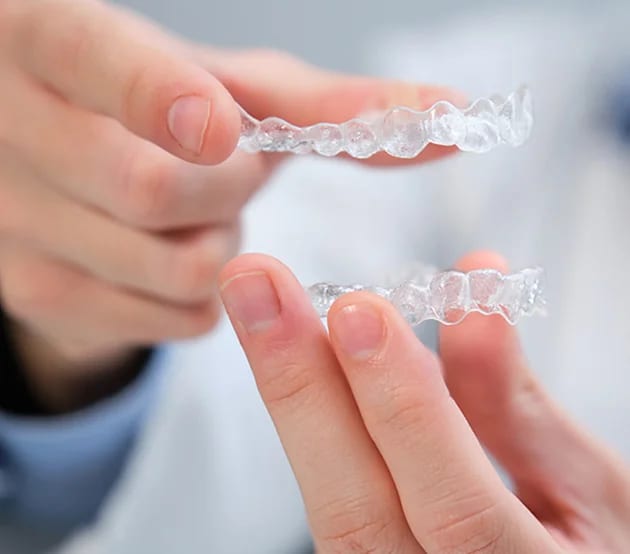
Invisalign uses a series of custom-fit plastic trays to shift teeth gradually. You wear each set of aligners for about one to two weeks. Then you move on to the next set in the series. The process is discreet and removable, which many patients prefer.
Where Invisalign Has Its Limits
Invisalign is not a solution for every orthodontic problem. Some cases require the precision and force that only traditional braces can deliver. Understanding these limitations helps you make a confident, informed decision. Dr. Kirk Bean always explains candidacy honestly so patients choose the treatment that actually works for their smile.
Invisalign may not be the best fit in these situations:
- Severe crowding — teeth that are significantly rotated or overlapping need more controlled movement
- Large overbite or underbite — significant jaw discrepancies often need braces or even surgical support
- Teeth that are too short — aligners need enough tooth surface to grip and move teeth accurately
- Missing teeth without a bridge or implant — gaps can make tray fitting unpredictable
- Complex bite corrections — multi-directional movements are harder to achieve with aligners alone
Clear aligners also require strong patient commitment. You must wear them 20 to 22 hours per day. If you frequently remove them, your treatment timeline will stretch significantly. This is an important factor to consider before committing to Invisalign.
How Traditional Braces Compare for Complex Cases
Traditional braces remain the gold standard for complex orthodontic corrections. They attach directly to each tooth and do not rely on patient compliance in the same way. That gives your orthodontist more precise control over tooth movement. Braces are often the smarter choice for growing teens or patients with significant bite issues.
Braces can handle tooth rotations that clear aligners struggle with. They also work well for patients who need vertical movement of teeth. In some cases, elastics attached to braces help correct jaw positioning more effectively. When Orthodontic Treatment Spokane Valley patients need involves complex movements, Dr. Kirk Bean will recommend braces without hesitation.
Braces have improved a great deal in recent years. Modern brackets are smaller and more comfortable than older versions. Tooth-colored ceramic braces are also available for a less noticeable look. You do not have to sacrifice results for aesthetics when you choose traditional braces.
What to Expect During Your Invisalign Consultation at Dr. C Orthodontics
The only way to know for certain whether Invisalign fits your smile is to get a professional evaluation. At Dr. C Orthodontics in Spokane Valley, Dr. Kirk Bean takes a thorough look at your teeth, bite, and jaw structure. He uses digital imaging and scans to get a complete picture of your alignment. This helps him map out exactly what your smile needs.
During your consultation, you can expect:
- A full review of your dental and orthodontic history
- Digital scans or impressions of your teeth
- A bite and jaw assessment to check for underlying issues
- A personalized treatment recommendation with clear options
- A chance to ask questions and understand your timeline
Dr. Bean takes time to explain why he recommends one treatment over another. He does not push Invisalign when braces would give you better results. His goal is a healthy, functional smile that lasts for years. Patients appreciate that honest, educational approach.
Making the Right Choice for Your Smile
Choosing between Invisalign and braces is not about which looks better on paper. It is about which treatment is right for your unique smile and lifestyle. Some patients are ideal Invisalign candidates. Others will get faster, more lasting results from traditional braces. The key is getting an expert opinion from someone who genuinely knows orthodontics.
At Dr. C Orthodontics, Dr. Kirk Bean brings that expertise to every patient in Spokane Valley. He evaluates each case individually and never takes a one-size-fits-all approach. Whether you need Invisalign, braces, or another orthodontic solution, you will leave your consultation with a clear plan. Book Now to schedule your appointment with our team.
Frequently Asked Questions
Can Invisalign fix a severe overbite?
Invisalign can correct mild to moderate overbites in many patients. However, severe overbites often require traditional braces and sometimes additional appliances. Dr. Kirk Bean will evaluate your bite during your consultation and recommend the most effective option for your specific case.
How do I know if I am a good candidate for Invisalign in Spokane Valley?
The best way to find out is through a professional evaluation with Dr. Kirk Bean at Dr. C Orthodontics. He will examine your teeth, bite, and jaw alignment to determine whether clear aligners can achieve the results you need. Mild to moderate alignment issues are generally the best fit for Invisalign.
Is Invisalign treatment as fast as braces?
Treatment timelines vary depending on the complexity of your case. For mild alignment issues, Invisalign can sometimes be completed in 12 to 18 months. Complex cases handled with traditional braces may take a similar or longer timeframe. Your orthodontist will give you a realistic timeline based on your specific needs.
What happens if I stop wearing my Invisalign aligners regularly?
Invisalign requires you to wear your aligners for 20 to 22 hours per day to stay on track. If you consistently skip wearing time, your teeth may not move as planned. This can extend your treatment timeline or reduce the effectiveness of your results. Commitment to the process is a critical part of Invisalign candidacy.
Can children or teenagers use Invisalign instead of braces?
Invisalign Teen is available for younger patients with most of their adult teeth present. However, braces are often recommended for teens because they do not rely on the patient remembering to wear them. Dr. Kirk Bean evaluates each young patient individually to determine the best and most reliable treatment option.