509-315-9840

Invisalign vs Braces: Which Actually Works Better for Adults


Choosing between Invisalign vs braces is one of the most common decisions adults face in Airway Heights. Both options can straighten teeth and improve your bite. But they work very differently — and the right choice depends on your lifestyle, budget, and treatment needs. Dr. Kirk Bean at Dr. C Orthodontics helps adults navigate this decision every day.
This guide breaks down the key differences so you can make a confident, informed choice. We’ll compare comfort, appearance, compliance, cost, and treatment scope. By the end, you’ll know which option fits your life best. Working with an experienced Orthodontist Airway Heights patients trust makes all the difference.
Invisalign vs Braces: Comfort and Daily Life for Adults
Traditional braces use metal brackets and wires bonded directly to your teeth. They apply steady pressure to shift teeth into alignment over time. That pressure can cause soreness — especially after adjustments. Many adults find this discomfort frustrating during busy workweeks.
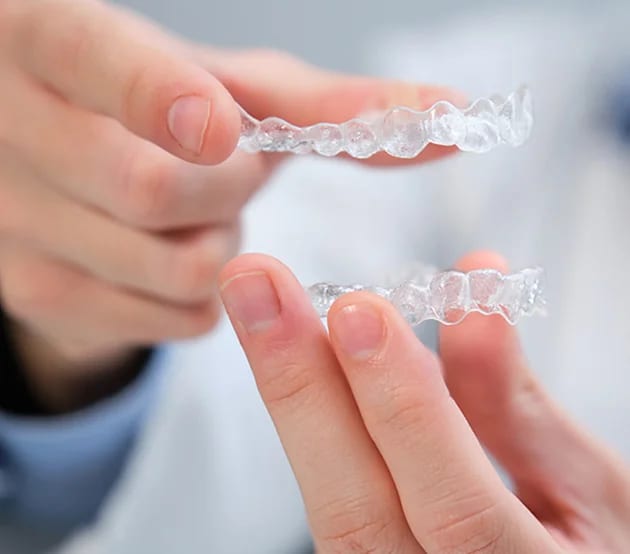
Invisalign uses a series of smooth, removable clear aligners. Each aligner gently moves teeth in small increments. Most adults report less overall soreness compared to metal braces. The absence of wires also means fewer emergency visits for broken hardware.
Daily life looks different with each option. Consider these comfort factors:
- Braces can irritate cheeks and gums with metal edges
- Invisalign aligners are smooth and less likely to cause soft tissue irritation
- Braces require dietary changes — no hard, sticky, or crunchy foods
- Invisalign lets you eat whatever you want — just remove the aligners first
- Oral hygiene is easier with Invisalign since aligners come out to brush and floss
- Braces require special tools like floss threaders to clean around brackets
For most working adults in Airway Heights, Invisalign offers a more comfortable day-to-day experience. That said, comfort alone should not be the deciding factor.
Appearance and Visibility: Which Option Is More Discreet?
This is often the top concern for adult patients. Many adults feel self-conscious about wearing visible metal braces at work or in social settings. That’s a completely valid concern — and it’s one reason Invisalign has grown so popular.
Invisalign aligners are made from clear, medical-grade plastic. Most people will not notice you’re wearing them unless they look closely. This makes them ideal for professionals, public speakers, and anyone who values a discreet appearance during treatment.
Traditional braces are clearly visible. However, modern braces have improved significantly. Ceramic braces use tooth-colored brackets that blend better with natural teeth. Lingual braces attach to the inside of teeth and are nearly invisible. But these alternatives come with their own trade-offs in cost and maintenance.
For adults who prioritize appearance during treatment, Invisalign is generally the stronger choice. Your Orthodontic Treatment Airway Heights plan should reflect your personal and professional needs.
Compliance, Discipline, and Treatment Scope
Here is where the comparison gets more nuanced. Invisalign only works if you wear the aligners consistently. Dentists recommend wearing them 20 to 22 hours per day. That leaves just two to four hours for eating, drinking, and oral hygiene.
Patients who remove aligners too often will slow their progress significantly. This is a real challenge for some adults. If you know you’ll struggle with the discipline of keeping aligners in, braces may actually deliver more reliable results. Braces are fixed — there’s no choice involved.
Treatment scope is another important factor. Here’s how the two options compare:
- Invisalign works well for mild to moderate crowding, spacing, and bite issues
- Complex cases — like severe overbites or significant jaw misalignment — often require braces
- Braces offer more precise control over tooth movement in difficult cases
- Invisalign technology has improved and can now treat more complex cases than before
- Some cases require a combination of Invisalign and other appliances
Dr. Kirk Bean will evaluate your specific bite and alignment during a consultation. Not every adult is an ideal candidate for Invisalign. A thorough clinical assessment is the only way to know for sure.
Cost Comparison: Is One Option More Affordable?
Cost is a practical reality for most adults in Airway Heights. Neither braces nor Invisalign is a one-size-fits-all investment. Prices vary based on case complexity, treatment length, and the provider you choose.
In general, Invisalign and traditional braces are often priced similarly today. Invisalign used to cost significantly more. However, the gap has narrowed as the technology has become more widely used. For mild to moderate cases, the difference is often minimal.
Traditional braces may still be less expensive for complex cases. That’s because braces give orthodontists more direct control without needing multiple aligner revisions. Every case is different, and Dr. Bean will provide a clear cost breakdown during your consultation.
Both options represent a meaningful investment in your oral health and confidence. Adults who complete orthodontic treatment often report improvements in self-esteem, dental hygiene, and long-term tooth health. It’s worth considering the full picture — not just the upfront price.
Which Option Is Right for You in Airway Heights?
There is no universal answer to the Invisalign vs braces debate for adults. The right choice depends on your individual goals, lifestyle, and clinical needs. Dr. Kirk Bean takes time to understand each patient’s priorities before making a recommendation.
If you value discretion, flexibility, and easier oral hygiene — and you’ll stay compliant — Invisalign may be the better fit. If your case is complex, or if you know discipline will be a challenge, traditional braces may deliver more predictable results.
The most important step is scheduling a professional evaluation. Trying to self-diagnose your orthodontic needs based on online information alone can lead to frustration. An expert eye makes all the difference in setting you up for success.
Dr. C Orthodontics in Airway Heights is here to help you weigh your options clearly and honestly. Our team is committed to patient education — not pressure. Book Now to schedule your appointment with our team.
Frequently Asked Questions
Can adults get Invisalign at any age?
Yes. Invisalign is suitable for adults of all ages as long as their teeth and gums are healthy. There is no upper age limit. Dr. Kirk Bean has treated patients well into their 50s and 60s with excellent results. A consultation will determine if your oral health is ready for treatment.
How long does Invisalign treatment take for adults compared to braces?
Treatment length varies by case complexity. Invisalign for mild to moderate cases typically takes 12 to 18 months. Traditional braces for similar cases often take 18 to 24 months or longer. Complex cases may take longer with either option. Your specific timeline will be discussed during your evaluation.
Are the results from Invisalign as permanent as braces?
Yes — both Invisalign and braces produce lasting results when followed by proper retainer use. Teeth can shift after any orthodontic treatment without a retainer. Dr. Bean will provide a retainer plan to protect your results long-term. Compliance with retainer wear is just as important as compliance during active treatment.
What happens if I lose an Invisalign aligner?
Lost aligners should be reported to your orthodontist promptly. In most cases, you can move to the next aligner in your series or return to a previous one temporarily. Replacement aligners can be ordered if needed. This is one reason some adults prefer the no-removal simplicity of traditional braces.
Does Dr. Kirk Bean offer consultations to help me choose between Invisalign and braces?
Absolutely. Dr. C Orthodontics in Airway Heights offers consultations where Dr. Bean reviews your bite, alignment, and goals in detail. He will explain which option is best suited to your case and answer all your questions. There’s no pressure — just honest, professional guidance to help you make the right decision.