509-315-9840

Orthodontics Spokane Valley


Orthodontics Spokane Valley: Your Complete Step-by-Step Visit Guide
Starting orthodontic treatment can feel a little overwhelming. You might wonder what happens during your first visit, what the procedures feel like, and how to care for your smile afterward. If you are exploring orthodontics in Spokane Valley, this guide is for you. Dr. Kirk Bean and the team at Dr. C Orthodontics want every patient to feel informed and comfortable from the very first appointment.
Whether you are a parent bringing in a child, a teenager prepping before summer, or an adult ready to finally straighten your smile, knowing what to expect makes everything easier. Let us walk you through the entire experience, stage by stage.
Step 1: Arrival and Check-In for Your Orthodontics Spokane Valley Appointment
When you first walk into Dr. C Orthodontics, you will notice a calm, welcoming environment. The front desk team will greet you by name. You will complete or confirm your intake paperwork — this usually takes just a few minutes.
Come prepared with a few basic items:
- A valid photo ID or your child’s school ID
- Any previous dental records or X-rays you may have
- A list of questions you want to ask Dr. Bean
- Any notes about current dental concerns or symptoms
The waiting area is comfortable and tidy. You will likely hear soft background music and the gentle hum of a well-run practice. Most patients are called back within minutes of arrival.
Step 2: The Orthodontic Consultation With Dr. Kirk Bean
This is where your orthodontic journey truly begins. Dr. Bean will sit down with you and have a real conversation. He will ask about your smile goals, your dental history, and any concerns you have. This is not a rushed appointment.
Next comes a clinical examination. Dr. Bean will look closely at your teeth, bite, and jaw alignment. He uses a small mirror and a dental explorer — tools that feel cool and smooth against your teeth. You may hear the occasional click as he checks each tooth carefully.
Depending on your needs, the team may take digital X-rays or photos of your smile. These are quick and painless. The images appear on a screen almost instantly. Dr. Bean uses them to map out exactly what your teeth need.
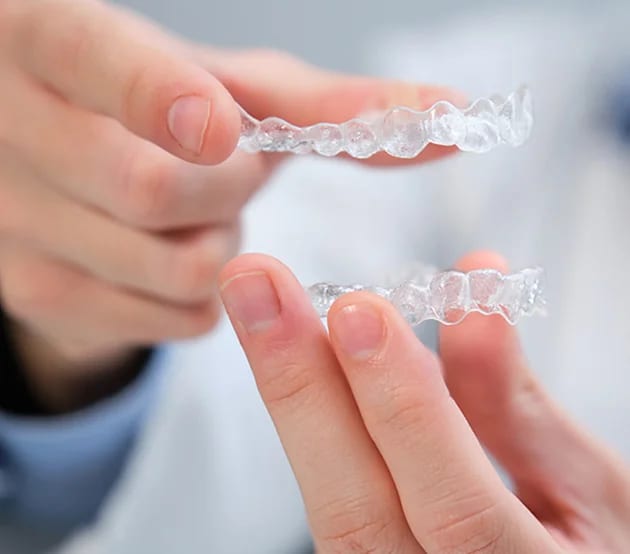
By the end of the consultation, you will have a clear picture of your treatment options. He may recommend traditional braces, Invisalign clear aligners, or another approach. Everything is explained in plain language — no confusing dental jargon.
Step 3: Beginning Treatment — What the First Orthodontic Procedure Feels Like
If you decide to move forward, your first active treatment appointment usually happens soon after the consultation. Here is what the process typically looks like for braces:
- Cleaning and drying: The teeth are gently polished and dried. You will taste a mild, slightly gritty cleaning paste.
- Bonding agent application: A thin adhesive is painted onto each tooth. It feels like a light coating and has almost no taste.
- Bracket placement: Small metal or ceramic brackets are pressed carefully onto each tooth. You will feel gentle pressure — not pain.
- Wire threading: A thin archwire is threaded through each bracket. This step creates a soft clicking sound.
- Elastic ties: Tiny rubber bands hold the wire in place. You can even choose fun colors if you like.
The whole process takes about 60 to 90 minutes for a full set of braces. You will not feel sharp pain during placement. Some patients notice a mild aching sensation in the hours that follow as teeth begin to shift. This is completely normal and temporary.
For Invisalign patients, this first active visit involves scanning your teeth with a 3D digital wand. There are no physical impressions. The scan takes about five minutes and feels like a camera gliding along your teeth.
Step 4: Aftercare Instructions and Settling In at Home
Once your first treatment is complete, Dr. Bean and his team walk you through aftercare. This part is just as important as the procedure itself. Following the right steps at home protects your results and keeps your smile healthy.
Here are the key aftercare guidelines most patients receive:
- Stick to soft foods for the first two to three days — think yogurt, mashed potatoes, and smoothies
- Brush gently around brackets and wires at least twice a day
- Use a floss threader or water flosser to clean between teeth
- Avoid sticky, hard, or crunchy foods that could damage brackets
- Wear your Invisalign aligners for 20 to 22 hours per day if applicable
- Use over-the-counter pain relievers as needed for mild soreness
Many Spokane Valley patients start treatment in late spring. This timing works especially well. Summer break gives teens time to adjust to their new appliances before school resumes. With fewer schedule conflicts, it is easier to keep follow-up appointments on track. If your teen has prom or graduation coming up, ask Dr. Bean about timing — he can help you plan accordingly.
You will also receive a supply kit with a toothbrush, floss, and wax for any areas of irritation. The wax is a small but mighty tool. If a bracket or wire causes soreness on your cheek, a small pinch of wax covers it instantly.
Step 5: Follow-Up Visits and Tracking Your Progress
Orthodontic treatment is not a one-time visit. Regular follow-up appointments are how Dr. Bean monitors your progress and makes adjustments. For most patients, these visits happen every four to eight weeks.
Each adjustment appointment is shorter than your first visit — typically 20 to 40 minutes. The team checks your teeth, tightens or changes your wire, and answers any questions. You may feel light pressure after each adjustment. This means the treatment is working.
Throughout your treatment, you will literally see your smile changing. Some patients notice shifts within the first few months. It is one of the most motivating parts of the orthodontic journey. The team at Dr. C Orthodontics celebrates those milestones with you.
If you ever have an urgent concern between visits — a poking wire, a loose bracket, or unexpected pain — reach out to us right away. We also offer emergency dentistry support for situations that cannot wait.
What Makes Orthodontics in Spokane Valley Special
Spokane Valley has a strong, close-knit community. Families here take their health seriously, and they want providers who do the same. Dr. Bean grew up understanding the value of trust-based care. He brings that same commitment to every patient at Dr. C Orthodontics.
The mild late-spring weather in the Pacific Northwest makes it a great time to start treatment. You can sip cold smoothies on a warm day — which also happens to be perfect aftercare food. The community energy around graduations and end-of-school celebrations makes this season a natural starting point for new beginnings, including a new smile.
Want to learn more about the pediatric and family services we offer alongside orthodontics? Visit our About page to learn more about Dr. Bean and the full Dr. C Orthodontics team.
Conclusion: Your Smile Journey Starts Here
Orthodontic treatment is one of the most rewarding investments you can make in your long-term health and confidence. From your first check-in to your final retainer fitting, every step is designed with your comfort in mind. Dr. Kirk Bean and the team at Dr. C Orthodontics are here to guide you through each stage with care, clarity, and expertise. Book Now to schedule your appointment with our team.
Frequently Asked Questions
How long does orthodontic treatment typically take in Spokane Valley?
Treatment length depends on the complexity of your case. Most patients wear braces or use Invisalign for 12 to 24 months. Dr. Bean will give you a personalized timeline during your consultation.
Is orthodontic treatment painful?
Most patients experience mild soreness for a day or two after each adjustment — not sharp pain. This fades quickly. Over-the-counter pain relievers and soft foods make the adjustment period much more comfortable.
At what age should children have their first orthodontic evaluation?
The American Association of Orthodontists recommends a first evaluation around age seven. Early assessments allow Dr. Bean to spot developing issues and plan ahead, even if treatment does not begin right away.
Can adults benefit from orthodontic treatment?
Absolutely. There is no age limit for orthodontic treatment. Many adults in Spokane Valley choose Invisalign because it is discreet and fits into a professional lifestyle. Healthy teeth can be moved at any age.
What happens after braces are removed?
Once your braces come off, you will receive a retainer to hold your teeth in their new positions. Wearing your retainer as directed is essential. Without it, teeth can gradually shift back over time.