509-315-9840

Kids Orthodontist Signs in Airway Heights, WA


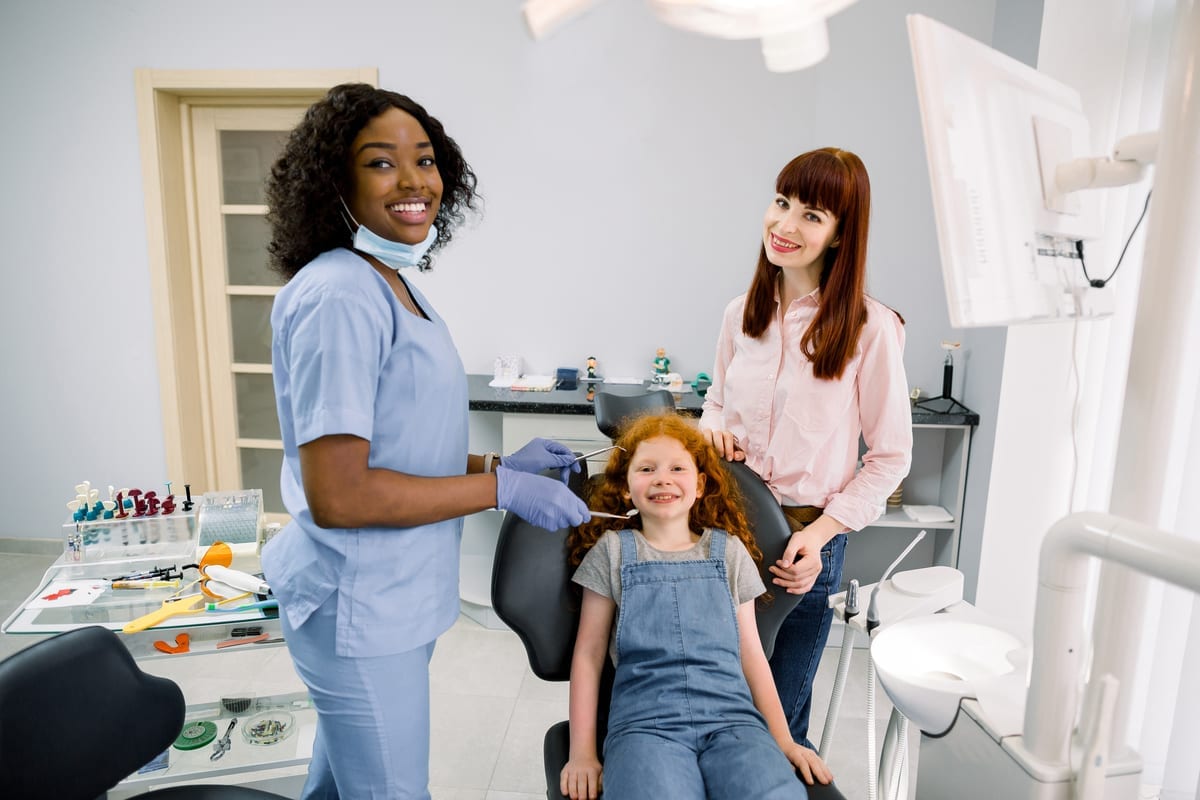
Many parents in Airway Heights wonder the same thing: Is your child ready for an orthodontist? Signs parents miss in Airway Heights can add up quietly over months or even years. By the time a problem becomes obvious, treatment may be more complex. Dr. Kirk Bean at Dr. C Orthodontics helps families catch these issues early — when intervention is simplest and most effective.
Most people associate orthodontics with teenagers and metal braces. But the American Association of Orthodontists recommends a first evaluation by age seven. That may sound surprisingly young. Understanding why can help you make a confident decision for your child.
Why Age Seven Is the Magic Number for Orthodontic Evaluations
At age seven, your child has a mix of baby teeth and permanent teeth. This combination gives Dr. Bean a clear picture of how the jaw and bite are developing. Problems are easier to correct when the jaw is still growing. Waiting too long can turn a simple fix into a much bigger procedure.
An early evaluation does not always mean early treatment. Many children are simply monitored at this stage. But for some kids, a Phase 1 intervention makes all the difference. Acting during the right growth window can reduce or even eliminate the need for braces later.
- Early evaluation catches bite problems before they worsen
- Jaw growth can be guided more easily in younger children
- Some issues resolve faster when treated early
- Parents gain a clear plan and peace of mind
What a Phase 1 Orthodontic Evaluation Actually Looks For
Phase 1, also called interceptive orthodontics, focuses on children between ages six and ten. Dr. Bean examines the teeth, jaw alignment, and bite relationship. He looks for signs that the jaw and teeth are not growing in harmony. This evaluation is thorough but gentle and child-friendly.
During a Phase 1 evaluation, several specific issues are assessed. Crowding is one of the most common findings. But the evaluation goes much deeper than just checking tooth spacing.
Here is what Dr. Bean evaluates during a Phase 1 visit:
- Crossbites — upper teeth sitting inside lower teeth
- Underbites — lower jaw protruding beyond the upper jaw
- Deep overbites — upper teeth covering too much of the lower teeth
- Severe crowding or spacing problems
- Thumb-sucking or tongue-thrusting habits that affect jaw shape
- Mouth breathing patterns linked to airway concerns
Airway health is a growing area of focus in pediatric orthodontics. Mouth breathing and snoring in children can signal issues beyond the teeth. Dr. Bean screens for signs that may warrant further evaluation for Pediatric Sleep Apnea, a condition that affects sleep, growth, and development.
Signs Parents in Airway Heights Can Spot at Home
You do not need a dental degree to notice warning signs. Parents observe their children every day. Certain behaviors and physical traits can indicate that an orthodontic check is overdue. Recognizing these early gives you a head start.
Pay attention to how your child chews and speaks. Difficulty biting into food, slurred speech, or lisping can all signal alignment issues. These are not always just developmental phases. Sometimes they reflect a structural problem that orthodontics can address.
Watch for these red flags in your child:
- Teeth that look crooked, overlapping, or widely spaced
- A jaw that shifts or clicks when opening and closing
- Difficulty closing lips comfortably without straining
- Persistent mouth breathing, especially during sleep
- Snoring, restless sleep, or frequent nighttime waking
- Prolonged thumb or finger sucking past age four
- Early or late loss of baby teeth outside the normal range
If your child shows two or more of these signs, scheduling an evaluation is a smart next step. An orthodontic concern caught early is almost always easier to treat. Dr. Bean’s team in Airway Heights makes the process simple and stress-free for both kids and parents.
What Happens If You Wait Too Long
Delaying an evaluation does not make orthodontic problems disappear. In many cases, waiting allows issues to become entrenched. The jaw finishes most of its growth by the mid-teen years. After that, certain corrections require more intensive treatment.
Children who miss the Phase 1 window sometimes need longer treatment with Metal Braces during their teenage years. That is not always avoidable. But in some cases, early intervention could have shortened or simplified that later treatment significantly.
Beyond aesthetics, untreated bite problems can cause real functional issues. Uneven bite pressure wears down tooth enamel prematurely. Jaw misalignment can contribute to headaches and jaw pain. Airway problems, if left unaddressed, can affect a child’s focus and behavior in school.
Orthodontic timing is not about rushing your child into treatment. It is about making sure you have accurate information at the right moment. A quick evaluation tells you whether action is needed now, later, or not at all.
How Dr. Kirk Bean Supports Families in Airway Heights
Dr. Kirk Bean brings a warm, educational approach to every patient visit. He takes time to explain findings in plain language that parents and children can understand. His goal is never to alarm — it is to inform and empower. Families in Airway Heights trust Dr. C Orthodontics because every recommendation is grounded in evidence.
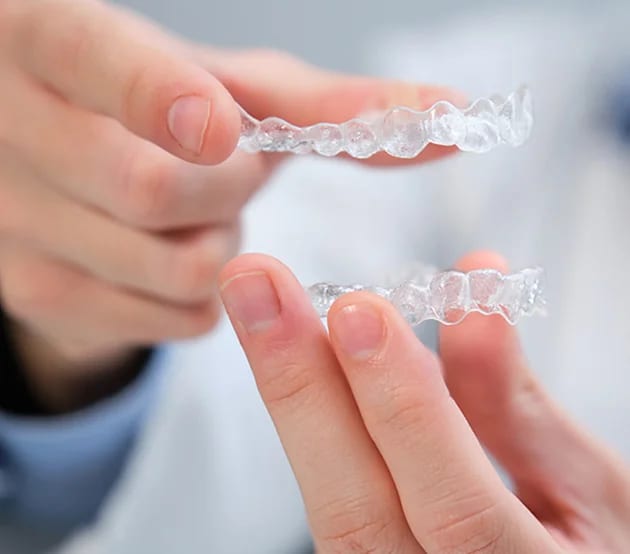
Dr. Bean offers a full range of orthodontic services tailored to growing patients. From early interceptive care to Invisalign for older kids and teens, the practice covers every stage of orthodontic development. The team creates a welcoming environment where children feel comfortable from the very first visit.
If you have been wondering whether your child is ready for an orthodontic evaluation, the answer is probably yes. The best time to find out is before a problem becomes complicated. Early action gives your child the best possible foundation for a healthy, confident smile. Book Now to schedule your appointment with our team.
Frequently Asked Questions
At what age should my child first see an orthodontist?
The American Association of Orthodontists recommends a first orthodontic evaluation by age seven. At this age, a mix of baby and permanent teeth allows Dr. Bean to assess jaw development and catch potential problems early. An evaluation does not always mean treatment starts right away.
What is Phase 1 orthodontic treatment?
Phase 1, or interceptive orthodontics, is early treatment typically for children ages six to ten. It addresses jaw and bite issues while the jaw is still actively growing. Phase 1 treatment can guide proper development and may reduce the complexity of future treatment.
How do I know if my child is mouth breathing?
Watch your child while they sleep or sit quietly. If their lips are consistently parted and they breathe through their mouth rather than their nose, that is a sign worth discussing with Dr. Bean. Mouth breathing can affect jaw development and may be connected to airway concerns.
Will my child definitely need braces after a Phase 1 evaluation?
Not necessarily. Many children who receive an early evaluation simply need to be monitored over time. If no immediate treatment is needed, Dr. Bean will outline what to watch for and when to return. Early evaluation gives you options — it does not commit you to any specific treatment path.
Does Dr. C Orthodontics in Airway Heights treat younger children?
Yes. Dr. Kirk Bean and the team at Dr. C Orthodontics are experienced in treating young patients, including those who need Phase 1 evaluations. The practice is designed to make children feel comfortable and supported throughout every stage of their orthodontic journey.