509-315-9840

Invisalign Cost for Complex Cases in Spokane Valley, WA



If you’ve started researching Invisalign, you’ve probably noticed that pricing varies quite a bit. Understanding why Invisalign costs more for complex cases in Opportunity is an important first step. The answer comes down to case complexity, treatment length, and the number of aligners required. Dr. Kirk Bean at Dr. C Orthodontics helps patients throughout Opportunity, WA understand exactly what drives these differences.
This article breaks down each factor so you can make a confident, informed decision about your orthodontic care.
What Makes an Invisalign Case ‘Complex’?
Not all smiles need the same level of correction. Some patients have mild crowding or minor spacing issues. Others deal with significant bite problems, severe crowding, or teeth that are rotated or tipped far out of alignment.
Complex cases require more precise tooth movements. They also need more careful planning from your orthodontist. Here are some common characteristics of complex Invisalign cases:
- Severe crowding or spacing between multiple teeth
- Significant overbite, underbite, or crossbite
- Multiple rotated or tipped teeth
- Open bites that affect how the upper and lower teeth meet
- Cases that require attachments on most or all teeth
Each of these issues adds layers of complexity to your treatment plan. More complexity almost always means more time, more aligners, and more oversight from your provider.
Why Invisalign Costs More for Complex Cases: The Aligner Count Factor
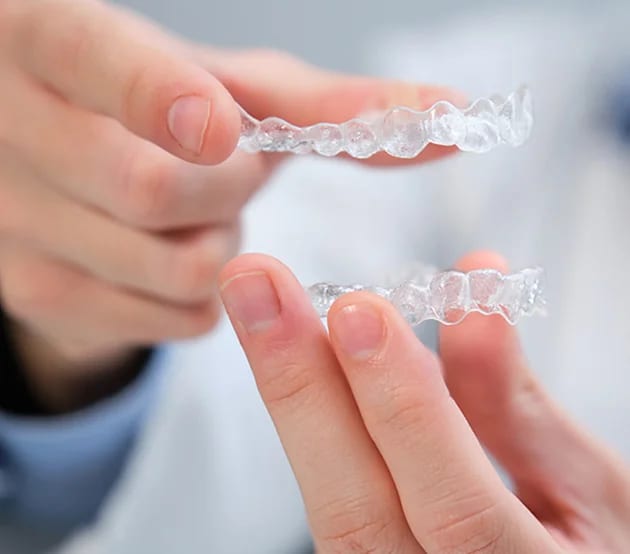
One of the biggest drivers of Invisalign cost is the total number of aligners in your treatment plan. Each aligner moves your teeth a small, precise amount. Complex cases require many more individual aligners to achieve the desired result.
Think of it like steps on a staircase. A mild case might need 20 steps to reach the top. A complex case might need 60 or more. Each additional aligner adds to the overall cost of your treatment.
More aligners also mean a longer treatment timeline. Patients with complex cases often wear aligners for 18 to 24 months or longer. Simpler cases can sometimes be completed in as little as six to twelve months.
The lab costs, materials, and clinical oversight all scale with the number of aligners produced. This is a key reason why Invisalign costs more for complex cases in Opportunity compared to straightforward ones.
The Role of Refinements in Final Pricing
Refinements are additional sets of aligners created after your initial series is complete. They fine-tune tooth positions that didn’t move exactly as planned. Even with the most detailed digital planning, some teeth need a little extra guidance.
Simple cases rarely need refinements. Complex cases often require one or more rounds. Each refinement phase adds time and additional aligners to your overall plan.
Here is what typically happens during a refinement phase:
- Your orthodontist takes new scans of your teeth mid-treatment
- A revised digital treatment plan is created
- New aligners are fabricated and shipped to the practice
- You continue wearing the new aligners until your result is achieved
Refinements are not a sign that something went wrong. They are a normal part of treating complex tooth movements. However, they do contribute meaningfully to why Invisalign costs more for complex cases in Opportunity.
Attachments, Elastics, and Added Treatment Features
Complex Invisalign cases often require additional tools beyond the aligners themselves. Attachments are small, tooth-colored bumps bonded to your teeth. They give the aligners something to grip when moving teeth in challenging directions.
Some patients also need elastics, similar to those used with traditional Metal Braces. Elastics help correct bite relationships that aligners alone cannot fix. Adding these elements requires more planning, more clinical visits, and more material costs.
Each added feature increases the overall investment in your treatment. These tools are used because they improve your final result. But they also explain why two patients can start Invisalign at the same time and see very different total costs.
Why Case Complexity Affects Chair Time and Clinical Oversight
Complex cases demand more from your orthodontist at every visit. Dr. Kirk Bean carefully monitors tooth movement, checks attachments, and evaluates bite changes throughout treatment. Patients with complex cases typically need more frequent appointments.
Each additional visit means more time spent reviewing progress and making adjustments. That hands-on care is a significant part of what you’re investing in. Orthodontic expertise — especially for difficult cases — takes years of training to develop.
At Dr. C Orthodontics, we also care for the whole patient, not just the teeth. For families in Opportunity, we offer services like Pediatric Sleep Apnea evaluation alongside orthodontic care. Comprehensive care takes time and expertise, and that investment shows in outcomes.
Is Invisalign Still Worth It for Complex Cases?
Many patients wonder whether Invisalign is the right choice when their case is complex. The answer depends on your specific needs and goals. In many situations, Invisalign can achieve results comparable to traditional braces — even for difficult cases.
The benefits of choosing Invisalign, even for complex treatment, include:
- Removable aligners that make eating and oral hygiene easier
- Clear, nearly invisible appearance throughout treatment
- No metal brackets or wires to irritate soft tissue
- Digital planning that lets you preview your expected result
- Reduced emergency visits compared to traditional braces
Understanding why Invisalign costs more for complex cases in Opportunity helps you weigh these benefits honestly. The investment reflects the precision, technology, and clinical skill required to move your teeth safely and effectively.
Getting an Accurate Cost Estimate in Opportunity, WA
The only way to know your actual Invisalign investment is through a comprehensive consultation. During your visit, Dr. Kirk Bean will evaluate your bite, spacing, and alignment. He will create a digital scan that maps out your exact treatment needs.
From that scan, a custom treatment plan is built. That plan determines your aligner count, estimated treatment length, and whether refinements or attachments will be needed. Everything is personalized to your smile — not based on an average or a general estimate.
Patients in Opportunity, WA deserve clear answers before committing to treatment. Dr. C Orthodontics is committed to walking you through every detail of your plan before you begin. Book Now to schedule your appointment with our team.
Frequently Asked Questions
Why does Invisalign cost more for complex cases than simple ones?
Complex cases require more aligners, longer treatment timelines, more clinical visits, and often additional tools like attachments or elastics. Each of these factors adds to the overall cost of treatment. Simpler cases with fewer tooth movements naturally require less of each resource.
How do I know if my Invisalign case is considered complex?
During your consultation, Dr. Kirk Bean will evaluate your bite, crowding, spacing, and tooth positions. Cases involving severe crowding, significant bite problems, or multiple rotated teeth are typically classified as complex. Your digital scan will make this assessment much clearer.
Are refinements always included in the Invisalign cost?
It depends on the provider and the specific Invisalign package chosen. Some treatment plans include a set number of refinement aligners. Others may require separate planning if additional refinements are needed beyond what is initially included.
Can complex Invisalign cases achieve the same results as braces?
In many situations, yes. Invisalign technology has advanced significantly and can address a wide range of complex tooth movements. Dr. Kirk Bean will advise you honestly if traditional braces would better serve your specific needs.
How long does complex Invisalign treatment typically take in Opportunity, WA?
Complex cases often take between 18 and 24 months, though some may be longer depending on the severity of misalignment. Your personalized treatment plan will include a projected timeline based on your specific tooth movements and goals.