509-315-9840

Braces or Invisalign in Spokane Valley, WA


Many patients ask whether their bite is a candidate for braces or Invisalign in Spokane Valley. It is a great question — and the answer depends on more than just how your teeth look. Dr. Kirk Bean at Dr. C Orthodontics evaluates several factors before recommending a treatment path. Understanding what goes into that decision helps you feel confident before your first appointment.
Both braces and Invisalign can correct a wide range of bite problems. However, not every smile responds the same way to each approach. A thorough evaluation helps match your specific bite to the right treatment. That is where candidacy comes in.
What Does ‘Bite Candidacy’ Actually Mean in Spokane Valley?
Bite candidacy simply means whether your teeth and jaw alignment respond well to a particular treatment. Orthodontists assess candidacy by looking at the type, severity, and complexity of your bite issue. Not all bite problems are equal — some are mild, and others involve the jaw itself.
In Spokane Valley, patients come to Dr. C Orthodontics with a variety of concerns. Common bite issues include overbites, underbites, crossbites, open bites, and crowding. Each condition requires a different level of correction. Some respond beautifully to clear aligners, while others need the precision of traditional braces.
Age also plays a role in candidacy. Children and teens often benefit from early intervention, while adults may have more bone density to work around. Dr. Kirk Bean assesses all of these variables during your consultation.
Common Bite Problems That Qualify for Braces or Invisalign
Most patients are surprised to learn how many bite conditions are treatable with modern orthodontics. Whether you have a minor cosmetic concern or a functional bite problem, there is likely a solution available. Here are some of the most common issues that qualify for treatment:
- Crowding: Teeth overlap or twist due to limited space in the jaw.
- Spacing gaps: Teeth have too much space between them.
- Overbite: Upper front teeth extend too far over lower teeth.
- Underbite: Lower teeth sit in front of upper teeth when biting.
- Crossbite: Upper and lower teeth do not align side to side.
- Open bite: Front teeth do not meet when the mouth is closed.
- Midline misalignment: The center of the upper and lower teeth do not line up.
Each of these conditions can affect both your appearance and how your jaw functions. Left untreated, some bite problems cause uneven wear on teeth or jaw discomfort. Addressing them early often leads to a smoother, faster treatment process.
Braces vs. Invisalign: Which Treatment Fits Your Bite?
This is the most common question Dr. Kirk Bean hears during consultations. Both options move teeth gradually over time. The difference lies in how they do it and which cases each handles best.
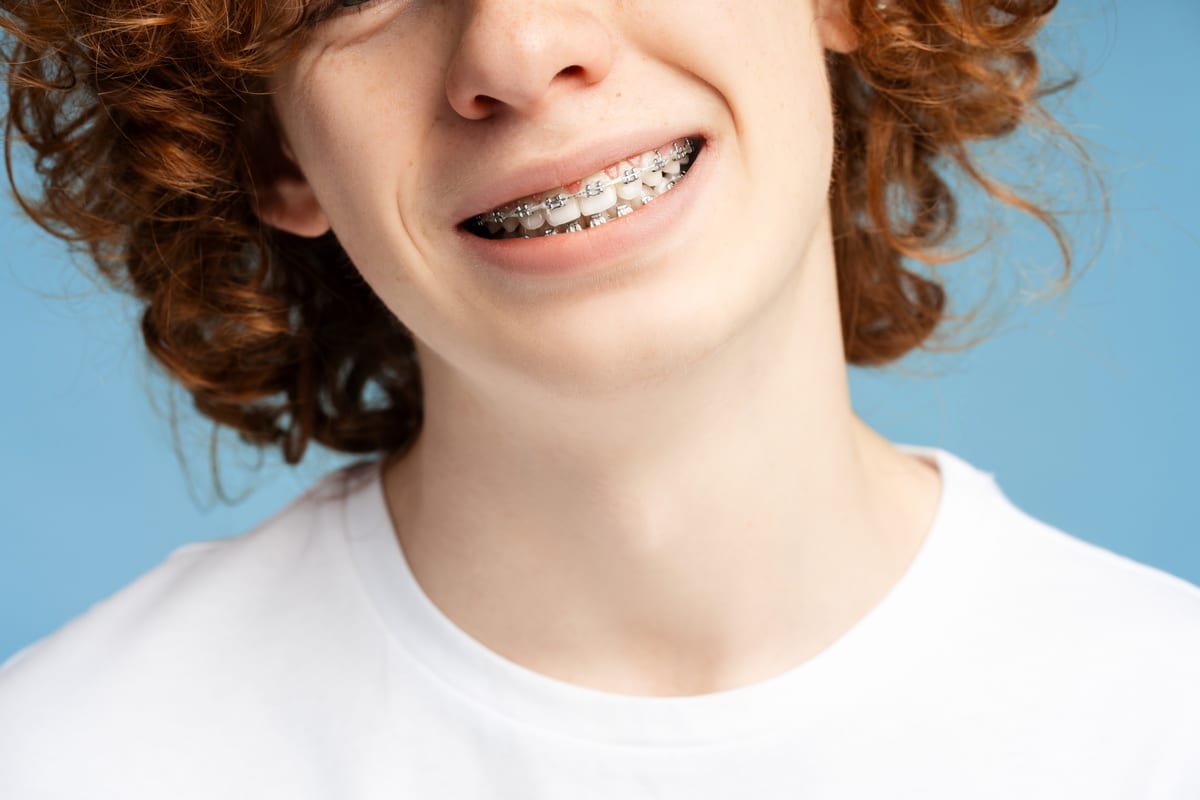
Traditional braces use metal brackets and wires bonded directly to your teeth. They work continuously and do not rely on patient compliance for wear time. This makes them highly effective for complex cases involving significant crowding, severe bite discrepancies, or rotations that require precise control.
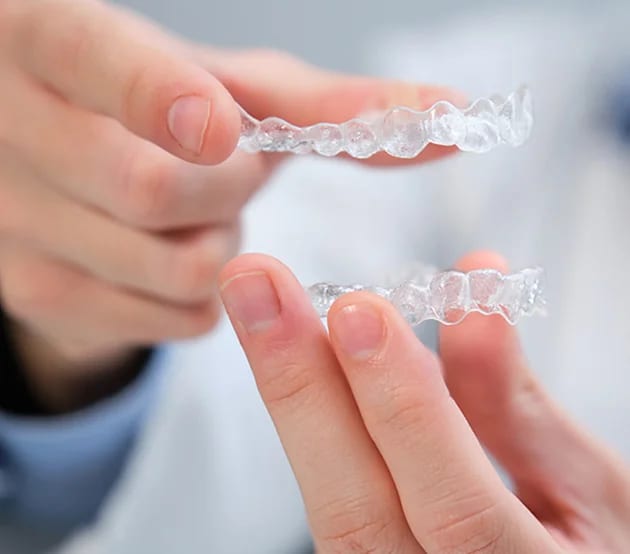
Invisalign uses a series of custom clear aligners that fit over your teeth. Patients wear each set for about one to two weeks before switching to the next. Invisalign works best for mild to moderate cases and is especially popular with adults and teens who prefer a discreet look.
Here is a quick comparison to help you understand the differences:
- Braces: Fixed to teeth, ideal for complex cases, visible during treatment
- Braces: No removal required, consistent force applied at all times
- Invisalign: Removable aligners, nearly invisible appearance
- Invisalign: Best for mild to moderate bite issues, requires consistent wear
- Both options: Effective for most common bite problems when properly applied
During your evaluation at Dr. C Orthodontics in Spokane Valley, Dr. Bean will explain which option aligns with your bite type and lifestyle. There is no single right answer — it depends entirely on your unique clinical picture.
What the Orthodontic Evaluation Involves at Dr. C Orthodontics
Knowing what to expect at your evaluation can make the experience less stressful. The consultation is thorough but straightforward. Dr. Kirk Bean uses it to gather the information needed to recommend the right treatment path for your bite.
Here is what typically happens during your evaluation:
- Clinical exam: Dr. Bean visually inspects your teeth, gums, and bite alignment.
- Digital X-rays: Images reveal the position of tooth roots, bone levels, and jaw structure.
- Photographs and impressions: Records capture your current bite for treatment planning.
- Bite analysis: Dr. Bean assesses how your upper and lower teeth come together.
- Treatment discussion: You receive a personalized recommendation and an overview of your options.
The evaluation is also your opportunity to ask questions. Patients are encouraged to share their goals, timeline preferences, and any concerns they have. Dr. Bean takes a conversational approach to make sure you leave with clear answers.
For younger patients, Dr. C Orthodontics also provides pediatric dentistry services. This means bite issues can be identified early, sometimes before permanent teeth have fully come in. Early evaluation can prevent more complex treatment later.
Factors That Determine the Best Approach for Your Smile
Beyond the type of bite problem, several other factors influence which treatment is right for you. Dr. Kirk Bean weighs all of these during your candidacy assessment. Being honest and thorough during your consultation helps him give you the most accurate recommendation.
Key factors that influence treatment selection include:
- Severity of the bite issue: More complex cases often require braces for the best outcome.
- Patient age: Growing patients may benefit from phase-one treatment before full braces or aligners.
- Lifestyle preferences: Adults who prefer discretion often lean toward Invisalign.
- Compliance ability: Invisalign requires 20 to 22 hours of daily wear for best results.
- Previous dental work: Crowns, bridges, or implants can affect aligner fit and bracket placement.
- Jaw involvement: Cases involving significant jaw discrepancy may require additional treatment.
There is no universal answer when it comes to candidacy. Two patients with similar-looking smiles may need very different treatment plans. That is why the evaluation process at Dr. C Orthodontics is so important.
Take the Next Step Toward a Healthier Bite in Spokane Valley
Understanding whether your bite is a candidate for braces or Invisalign in Spokane Valley starts with a single appointment. Dr. Kirk Bean brings an educational, patient-centered approach to every consultation. He explains findings clearly and walks you through your options without pressure.
Whether you are an adult looking for a discreet solution or a parent concerned about your child’s bite, Dr. C Orthodontics is here to help. The right treatment path begins with accurate information and a thorough evaluation. You deserve to understand what is happening with your bite before committing to any plan.
Your smile is worth taking seriously. Book Now to schedule your appointment with our team.
Frequently Asked Questions
How do I know if I need braces or Invisalign?
The best way to know is to schedule a professional evaluation. Dr. Kirk Bean examines your bite, reviews X-rays, and discusses your goals before making a recommendation. There is no reliable way to self-diagnose which option fits your specific case without clinical records.
Can adults get braces or Invisalign at Dr. C Orthodontics in Spokane Valley?
Absolutely. Adults are some of the most motivated orthodontic patients. Both braces and Invisalign are effective for adults, and Dr. Bean tailors the approach to fit your lifestyle and the complexity of your bite. Many adult patients in Spokane Valley achieve excellent results with either option.
What is the minimum age to start orthodontic treatment?
The American Association of Orthodontists recommends a first evaluation around age seven. At this stage, Dr. Bean can identify developing bite issues and determine whether early intervention is beneficial. Not every child needs early treatment, but identifying problems early gives more options later.
Is Invisalign as effective as braces for fixing a bite?
For mild to moderate cases, Invisalign can be just as effective as braces. For more complex bite issues — such as severe crowding or significant jaw misalignment — traditional braces may deliver more precise results. Dr. Bean will be transparent about which option is likely to give you the best outcome based on your evaluation.
How long does orthodontic treatment typically take?
Treatment length varies depending on the complexity of your bite. Mild cases may resolve in as little as six to twelve months. More involved corrections can take eighteen months to three years. Dr. Bean provides a timeline estimate during your initial consultation based on your specific needs.