509-315-9840

Invisalign Retention in Airway Heights, WA


Finishing your Invisalign treatment is a huge milestone. Your smile looks incredible, and you feel like the hard work is finally done. But here is the truth every patient in Airway Heights needs to hear: your Invisalign journey isn’t over when treatment ends. The retention phase is just as important as the alignment phase — and skipping it can undo everything you worked so hard to achieve.
At Dr. C Orthodontics – Airway Heights, Dr. Kirk Bean walks every patient through what comes next. Understanding retention gives you the tools to protect your investment for life.
Why Your Teeth Don’t Stay Put on Their Own
Your teeth are not anchored in rigid bone. They sit in a flexible ligament system designed to allow movement. That flexibility is exactly what makes orthodontic treatment possible. Unfortunately, it also means teeth naturally want to drift back to where they started.
This movement is called relapse. It happens gradually and quietly. Most patients don’t notice it until their teeth have shifted significantly. Retainers prevent relapse by holding your teeth in their corrected positions while the surrounding bone and tissue stabilize.
Without a retainer, the ligaments pull teeth backward. This is true whether you used Invisalign, Metal Braces, or any other orthodontic method. The biology is the same regardless of how you straightened your smile.
What Happens Without a Retainer After Invisalign in Airway Heights
Patients sometimes assume retainers are optional. They feel their smile is locked in place after months of careful treatment. That assumption leads to one of the most common and preventable outcomes in orthodontics: relapse.
Here is what typically happens when patients skip retention:
- Front teeth begin crowding within weeks of stopping retainer use
- Gaps that were closed can reopen over time
- Bite alignment may shift, causing discomfort when chewing
- The overall symmetry of your smile gradually diminishes
- Corrective retreatment becomes necessary — and more costly
The speed of relapse varies by patient. Younger patients often experience faster shifting because their bone is still maturing. Adults may see slower changes, but drift still occurs without consistent retainer use.
Dr. Bean sees this in practice regularly. Patients return after years away and wonder why their teeth look different. In most cases, inconsistent retainer wear is the cause. The good news is that early intervention can often correct minor relapse before it becomes a bigger problem.
Types of Retainers and How Long You Will Wear Them
Not all retainers are the same. Dr. Bean recommends retainer options based on your specific orthodontic needs, lifestyle, and compliance history. Understanding your choices helps you commit to the right plan.
There are two main retainer types used after Invisalign:
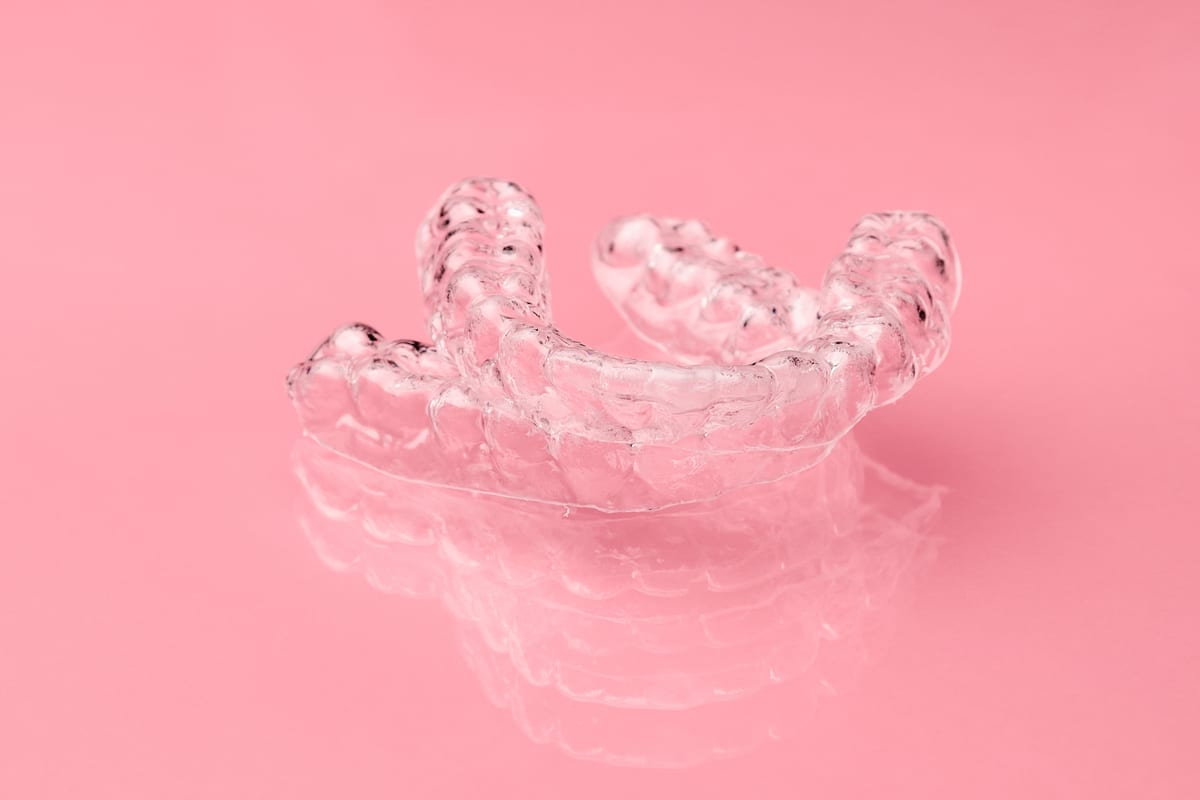
- Removable retainers — These look similar to Invisalign trays. You wear them at night and remove them during the day. They are easy to clean and simple to use.
- Fixed retainers — A thin wire bonded to the back of your front teeth. You cannot remove it yourself. It provides constant, passive retention without any effort on your part.
Some patients use both types together for maximum protection. Dr. Bean will guide you on what works best for your smile and your routine.
As for duration, the short answer is: a long time. Most orthodontists recommend nightly retainer wear indefinitely. In the first year after Invisalign, full-time wear is often advised. After that, nightly wear becomes the standard long-term approach. Thinking of retainers as a permanent part of your routine is the healthiest mindset.
Building a Retention Routine That Actually Works
Consistency is the biggest challenge in retention. Life gets busy, and the retainer ends up sitting in a drawer. Building a reliable habit from day one prevents that from happening.
Here are practical tips for staying consistent with your retainer:
- Keep your retainer case on your nightstand so it is always visible
- Pair retainer use with an existing habit, like brushing before bed
- Set a phone reminder for the first few weeks until the routine sticks
- Rinse your retainer every morning to keep it clean and odor-free
- Replace your retainer if it cracks, warps, or no longer fits snugly
If you ever lose or damage your retainer, contact Dr. C Orthodontics right away. Going even a few weeks without one can allow noticeable shifting. The team at our Airway Heights location can get you a replacement quickly.
Retention is also a great time to monitor overall oral health. Dr. Bean may recommend scheduling check-in appointments to confirm your teeth are staying in position. These visits are brief but valuable. Catching early drift is far easier than correcting significant relapse later.
Retention as Part of Your Full Oral Health Picture
Orthodontic retention does not exist in isolation. It connects to your broader oral health in meaningful ways. A stable, well-aligned bite reduces wear on enamel, eases jaw tension, and makes cleaning easier. All of these factors support long-term dental health.
Families in Airway Heights who are managing orthodontic care for multiple ages may also want to explore how airway health connects to orthodontic outcomes. Concerns like Pediatric Sleep Apnea can influence jaw development and bite patterns, making comprehensive care especially important for growing children.
Dr. Bean takes a whole-health perspective. Every recommendation, including retention protocols, is made with your long-term wellbeing in mind. Your Invisalign journey isn’t over when treatment ends in Airway Heights — it simply enters a new, lifelong chapter focused on preserving your results.
Conclusion: Protect the Smile You Worked to Earn
You committed to the process. You wore your aligners, attended your appointments, and followed through. Now the retention phase is your opportunity to make that commitment permanent. Wearing your retainer consistently is the single most effective thing you can do to protect your Invisalign results.
Dr. Kirk Bean and the team at Dr. C Orthodontics – Airway Heights are here to support you through every stage — including life after your final tray. Do not let your smile drift back after everything you put into it. Book Now to schedule your appointment with our team.
Frequently Asked Questions
How soon after Invisalign do I need to start wearing a retainer?
You should begin wearing your retainer immediately after your final Invisalign tray. Dr. Bean typically provides your retainer at or just before your last aligner appointment. There should be no gap between finishing treatment and starting retention. Even a short delay can allow early shifting to begin.
Will I really have to wear a retainer forever?
Most orthodontists, including Dr. Bean, recommend wearing your retainer nightly for the long term. In the first year, you may wear it more frequently. After that, nightly use is the standard recommendation. Teeth have a natural tendency to shift throughout life, so ongoing retainer use is the best way to protect your results permanently.
What happens if my retainer no longer fits properly?
A retainer that feels tight or does not seat fully may indicate that some shifting has occurred. You should contact Dr. C Orthodontics as soon as possible. Do not try to force the retainer in place. Dr. Bean can evaluate whether minor correction or a replacement retainer is needed before the shift progresses further.
Can I get a replacement retainer if I lose mine?
Yes. Dr. C Orthodontics – Airway Heights can provide replacement retainers. If you lose or damage yours, reach out to the office promptly. The sooner you get a replacement, the less chance there is for noticeable shifting. It is also a good idea to have a backup retainer on hand for exactly this reason.
Does Invisalign retention work differently than retention after metal braces?
The retention principle is the same regardless of the treatment used. Teeth require support while surrounding bone stabilizes after any orthodontic movement. The retainer type recommended may differ slightly based on your case, but the need for consistent wear is universal. Dr. Bean will recommend the best retainer option for your specific situation.