509-315-9840

More Than Just a Cute Snore: When Your Toddler’s Snoring is a Medical Red Flag



“Is your toddler’s snoring keeping you up at night? While it might seem harmless, it could be a sign of something more serious.” Many parents shrug off their child’s snoring as just another quirk of growing up, but when it comes to toddlers, snoring can sometimes indicate an underlying medical issue. Snoring in children is quite common, but it’s essential to understand when it’s more than just an innocent noise.
As a parent, recognizing the difference between normal snoring and when it becomes a medical red flag can make a significant difference in your child’s health. While occasional snoring caused by a cold or congestion is normal, persistent, loud snoring may signal a sleep disorder, such as pediatric sleep apnea, which can have serious long-term health consequences.
This blog will help you identify when snoring is a cause for concern and what steps you should take if your toddler’s snoring seems more than just a cute sound.
What’s Normal and What’s Not?
Normal Snoring in Toddlers
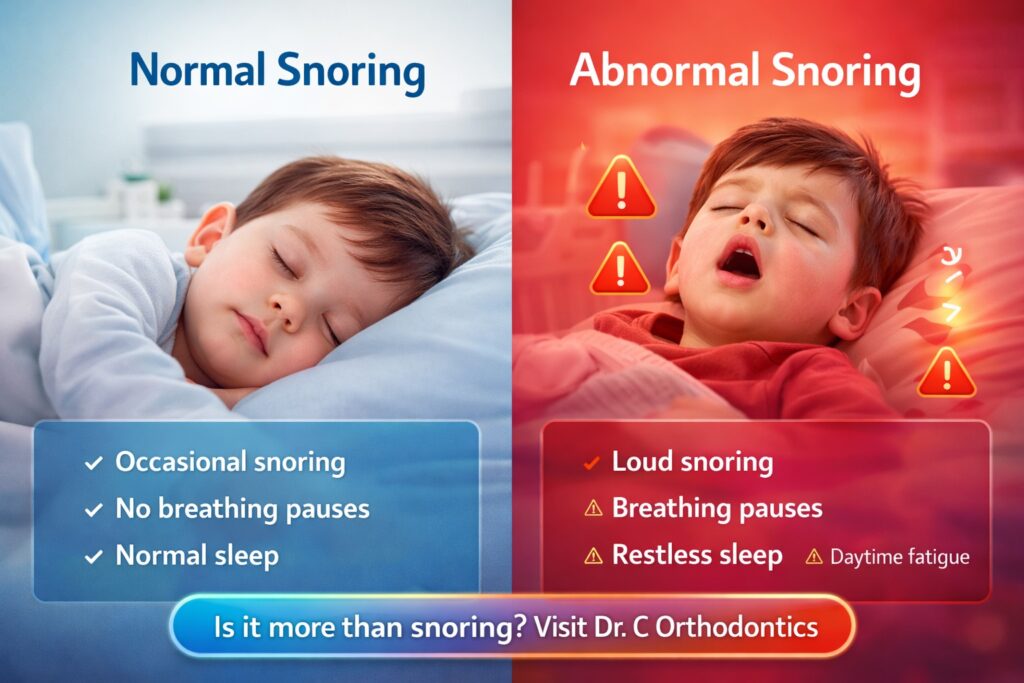
For many toddlers, snoring is just a natural part of their development. When a child experiences a stuffy nose due to a cold, mild congestion, or allergies, snoring can occur as the air passages become partially blocked.
In these cases, the snoring is often short-lived and resolves once the congestion clears. This type of snoring typically doesn’t interfere with the child’s sleep quality or behavior during the day.
Normal snoring in toddlers may sound soft and gentle, with no noticeable pauses in breathing. The child’s overall health and energy levels remain unaffected, and they don’t exhibit any signs of sleep disturbances, like excessive movement during sleep or daytime drowsiness.
As a parent, you might not need to worry if the snoring seems occasional and doesn’t last for extended periods.
Abnormal Snoring in Toddlers
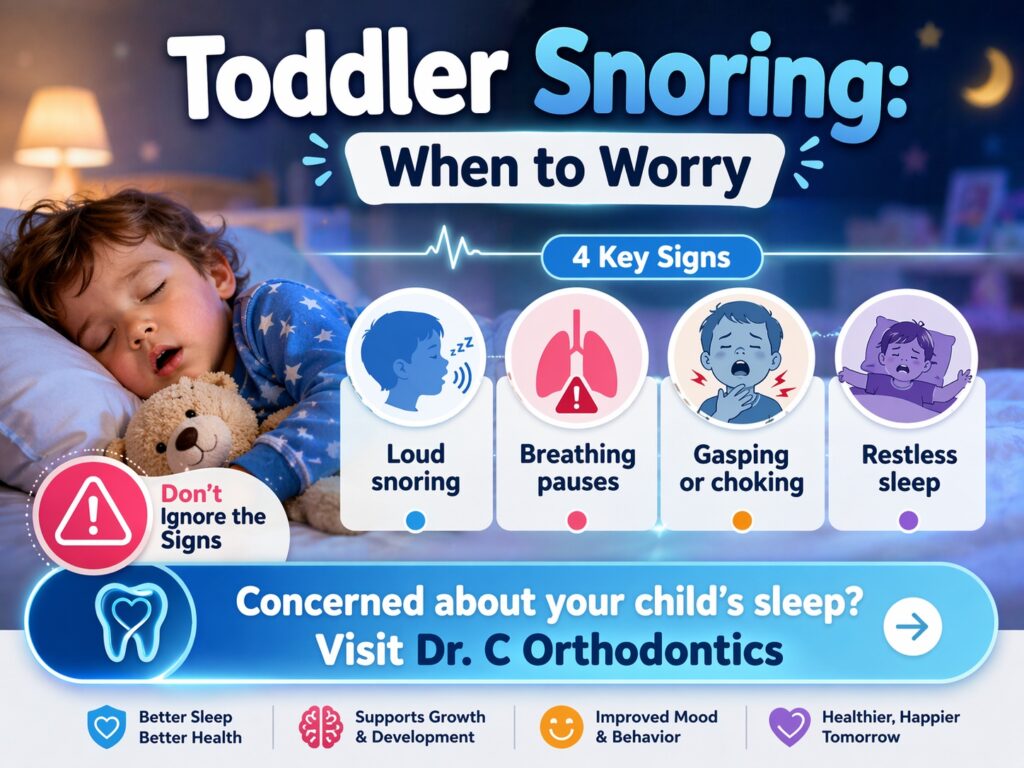
However, when snoring becomes frequent, it can signal something more serious. Abnormal snoring often presents itself in the following ways:
- Loud, persistent snoring: A sudden increase in the volume or intensity of snoring is often a sign that something may be obstructing the child’s airways.
- Frequent pauses in breathing (apnea): If your toddler appears to stop breathing during sleep, even for a few seconds, it’s a major red flag that warrants immediate attention.
- Labored breathing: If your child is snoring while struggling to breathe or showing signs of effort, such as flaring nostrils or excessive chest movement, this could indicate an airway obstruction.
If your toddler experiences any of these symptoms regularly, it’s essential to seek medical advice. Ignoring persistent snoring can lead to sleep deprivation and, in some cases, more severe conditions like pediatric sleep apnea.
Potential Medical Causes Behind Snoring
Sleep Apnea
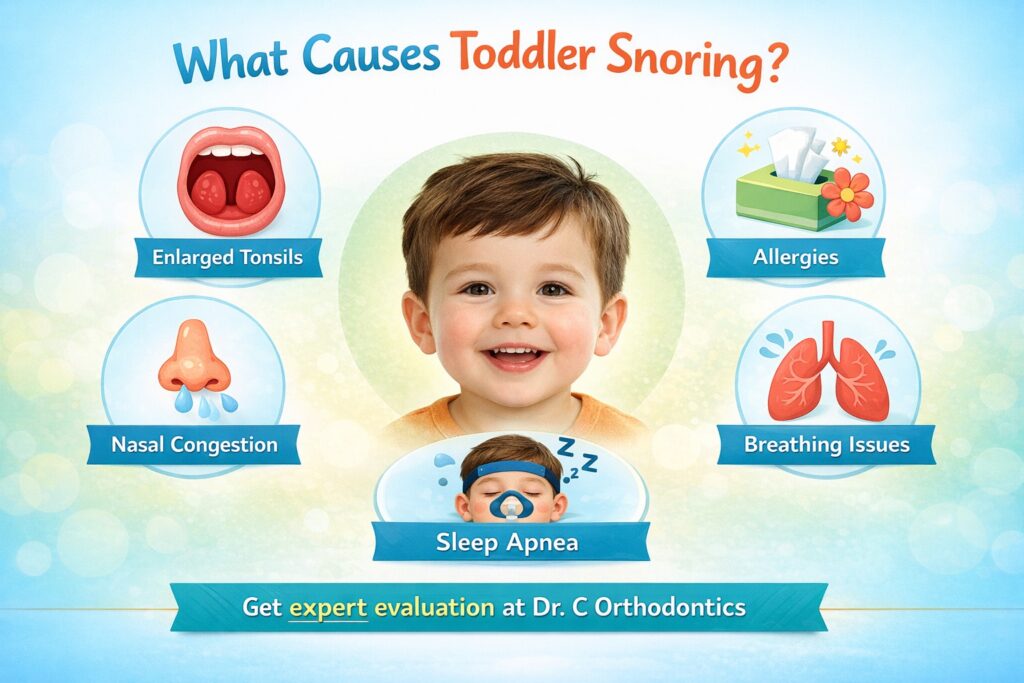
One of the most common medical conditions associated with persistent snoring in toddlers is pediatric sleep apnea in Spokane Valley. This disorder occurs when a child’s airway becomes temporarily blocked during sleep, causing them to stop breathing.
These episodes may last for several seconds to minutes, and the child may gasp or choke to resume breathing. Sleep apnea can significantly disrupt a toddler’s sleep, affecting their quality of life and leading to other health complications.
Untreated sleep apnea can cause a range of issues, including poor growth, behavioral problems, and even heart problems later in life. If your toddler’s snoring is loud, interrupted by long pauses, or they exhibit signs of daytime fatigue and irritability, it’s crucial to seek a consultation with a specialist.
Enlarged Tonsils or Adenoids
Another common cause of snoring in toddlers is enlarged tonsils or adenoids. These lymphatic tissues are located at the back of the throat and nose, and when they become enlarged, they can obstruct the airways. In many cases, this can lead to loud, persistent snoring and even sleep apnea.
If your toddler has frequent colds or infections, their tonsils and adenoids can become swollen, contributing to snoring. A pediatric dentist may consider an evaluation to determine if these tissues are causing the snoring.
Allergies and Respiratory Issues
Allergies or respiratory issues, such as sinus infections, can cause swelling and congestion in the nasal passages, making it difficult for your toddler to breathe freely while sleeping. This blockage can lead to snoring as the child struggles to breathe through the nose.
If your child is prone to allergies, managing them with antihistamines or nasal sprays can help reduce snoring caused by congestion.
Obesity and Snoring
While obesity is less common in toddlers compared to older children, excess weight can still contribute to snoring. Fat deposits around the neck can put pressure on the airways, causing obstruction and leading to louder, more frequent snoring.
Maintaining a healthy weight through balanced nutrition and physical activity can help reduce the risk of obesity-related snoring.
Health Implications of Untreated Snoring
Impact on Sleep Quality
Chronic snoring in toddlers can significantly affect their sleep quality. Sleep is essential for a child’s growth, cognitive development, and emotional well-being. Persistent snoring often means the child is waking up several times throughout the night, either from gasping for air or from disrupted sleep cycles. This leads to daytime fatigue, irritability, and difficulties in concentrating.
Without adequate rest, toddlers may become more prone to mood swings, tantrums, and hyperactivity. Their immune system may also weaken, making them more susceptible to illness.
Behavioral and Cognitive Development
Sleep deprivation caused by snoring can also affect a toddler’s cognitive and behavioral development. Studies have shown that children who suffer from sleep-disordered breathing (such as sleep apnea) may struggle with memory, attention span, and learning.
Additionally, untreated sleep disorders can contribute to emotional difficulties. Toddlers may become more anxious, moody, or have trouble with social interactions, which can affect their ability to thrive in daycare or preschool settings.
What to Do If Your Toddler Is Snoring
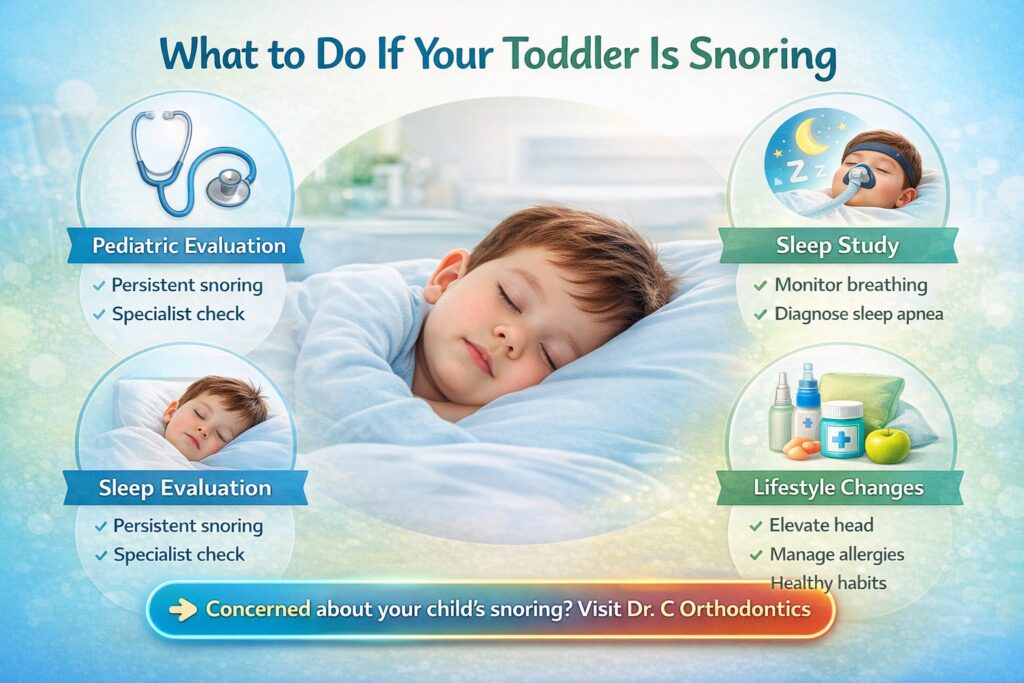
Seek a Pediatric Evaluation
If your toddler’s snoring seems more than occasional or has persisted for a while, the first step is to consult with a paediatrician or dentist. They may recommend seeing a pediatric sleep specialist who can assess the snoring and any potential sleep disorders, such as pediatric sleep apnea, in Spokane Valley.
Sleep Study
In some cases, the doctor may recommend a sleep study (polysomnography) to monitor your child’s breathing and sleep patterns. This test can help determine whether your toddler has sleep apnea and, if so, the severity of the condition.
Lifestyle Changes
There are a few lifestyle changes you can make to help reduce snoring in toddlers:
- Elevate the head during sleep: Prop up your toddler’s head with a pillow or wedge to help with breathing.
- Manage allergies: Use saline nasal sprays or antihistamines if your child has allergies that are affecting their airways.
- Promote healthy weight: Encourage healthy eating habits and physical activity to prevent obesity-related snoring.
When to Worry: Red Flags for Immediate Medical Attention
Severe Symptoms
If your toddler’s snoring is accompanied by choking, gasping, or noticeable pauses in breathing, it’s important to seek immediate medical attention. These signs indicate that your child’s airway is being obstructed, which can be dangerous if left untreated.
Impact on Daily Life
If the snoring is affecting your child’s behavior, mood, or performance at school or daycare, it’s a red flag. Chronic sleep deprivation can lead to significant behavioral and developmental challenges, so it’s essential to address the issue as soon as possible.
Snoring may seem like a harmless habit in toddlers, but when it’s persistent or accompanied by other symptoms, it can indicate a medical condition that requires attention. Pediatric sleep apnea and other airway issues can affect your child’s sleep quality, mood, and overall development.
If you’re concerned about your toddler’s snoring, don’t hesitate to schedule an evaluation at Dr. C Orthodontics. Our team is here to help ensure your child gets the rest they need to grow and thrive.
Take action today and book an appointment with Dr. C Orthodontics to address your child’s snoring concerns. Your toddler’s health and well-being are our top priority.
Common Questions About Toddler Snoring
Can snoring in toddlers affect their health?
Yes, untreated snoring can lead to sleep deprivation, fatigue, mood swings, and developmental delays in toddlers.
Are enlarged tonsils or adenoids a common cause of snoring?
Yes, enlarged tonsils or adenoids can block the airways, leading to snoring and possible sleep apnea in toddlers.
Can allergies cause snoring in toddlers?
Yes, allergies and sinus issues can cause nasal congestion, making it harder for toddlers to breathe and resulting in snoring.
What are the signs of sleep apnea in toddlers?
Signs include loud snoring, gasping for air, choking, frequent waking at night, and daytime fatigue or irritability.
How is sleep apnea diagnosed in toddlers?
A pediatric sleep study (polysomnography) may be recommended to monitor your child’s sleep patterns and diagnose sleep apnea.