509-315-9840

Palate Repair Timing: When to Treat Cleft Lip & Palate for Your Child



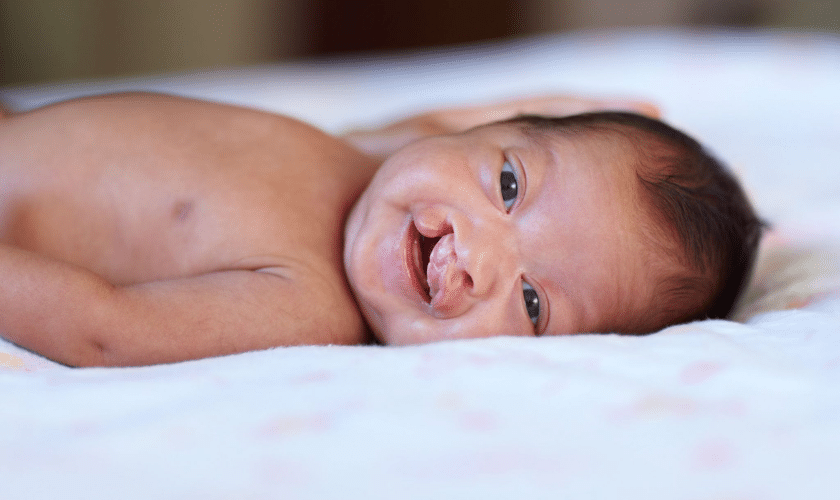
A cleft lip and palate is one of the most common birth defects and affects many children the world over. It arises when a baby’s lip or palate, the roof of the mouth, does not completely develop during pregnancy. It can involve cosmetic issues and functional complications; thus, seeking timely care is imperative. Treating cleft lip and palate can significantly improve your child’s ability to speak, eat, and breathe comfortably, which is why early intervention is so important.
When it comes to treating this condition, parents are always wondering what time is appropriate. Treatment can start as early as immediately after birth and up into the teenage years. Understanding the steps and timing makes all the difference in providing optimum care to your child. That said, this article explains when and how cleft lip and palate treatment should be approached to ensure your child has the best possible health and development.
What are Cleft Lip and Palate?
A cleft lip is a gap or split in the upper lip, which can be anything from a small notch to a larger opening that extends into the nose. In a cleft palate, there is an incomplete joining of tissues that form the roof of the mouth. This condition can be unilateral (one side) or bilateral (both sides), and it may involve the soft and/or hard palate.
A cleft condition may cause problems in feeding, speech development, hearing, and dental health. Fortunately, with proper treatment, most children can lead a healthy life with normal physical and social development. The treatment aims at both surgical repair and supportive care for the child’s speech and eating.
The Timing of Cleft Lip and Palate Treatment
The timing of cleft lip and palate treatment in Airway Heights, WA, differs for every child. Usually, it is planned based on the extent of the condition and overall health. Surgical repair generally begins between 3 and 6 months of age, with the cleft lip repaired first. This is important because the child can begin feeding better and start developing speech sounds when his lip is repaired at this age.
Following the lip surgery, cleft palate repair is generally performed between 9 to 18 months of age. Early treatment of the cleft palate has a positive effect on speech development and reduces hearing problems and future dental health issues. Any additional surgeries are often scheduled during the child’s early school years while his or her facial structure continues to develop.
Success in treating cleft lip and palate in Airway Heights hinges on the early years. The first few years of a child’s life can most easily affect the development of the child’s speech, dental, and social skills. Early intervention provides the best possible chance for the child to have near-normal development.
Cleft Lip and Palate Long-term Care and Follow-Up
Surgical treatments can markedly improve the appearance and function of the lip and palate; however, the process does not stop with the initial surgery. Children with cleft lip and palate usually need follow-up visits for a long time thereafter to ensure their speech, hearing, and tooth development progress without problems. Speech therapy, orthodontics, and dental care are all part of the ongoing treatment plan. Some children may require additional surgical procedures as they get older to refine their appearance or improve function.
Regular visits with the medical professional will monitor their progress and any new problems that may surface. Close contact with an orthodontist is important during these times, as it can help you adapt to any changes your child may be facing.
Cleft Lip and Palate Treatment in Airway Heights
Early treatment of cleft lip and palate makes a big difference in letting your child develop the skills they need to be successful. From surgeries performed for the first time to follow-up care, all aim to help children talk, eat, and live quite comfortably. Planning the care process should involve a multidisciplinary team of specialists who, together, provide your child with a balanced treatment plan. This interdisciplinary approach is designed to help children grow up with confidence and the ability to live a fulfilling life.
Dr. C Orthodontics understands the need for personalized care in children with a cleft lip and palate. Our team is dedicated to ensuring the highest-quality treatment, from early surgeries to long-term follow-up. If you have any concerns about your child’s care for their cleft lip and palate, we will be here to guide you every step of the way.
FAQs
1. What is a cleft lip and palate?
A cleft lip and palate is a condition where there is an opening or gap in the lip or roof of the mouth that forms before birth. It can affect a child’s ability to eat, speak, and hear properly.
2. When should treatment for cleft lip and palate begin?
Treatment usually begins within the first few months of life, with the first surgery often performed between 3 and 6 months for the lip and between 9 and 18 months for the palate.
3. Can cleft lip and palate be fully repaired?
Yes, with timely treatment, including surgery, speech therapy, and dental care, most children can achieve normal function and appearance.
4. What are the long-term effects of cleft lip and palate?
Long-term effects can include speech difficulties, hearing loss, and dental issues. Regular follow-up care and therapies help minimize these issues.
5. Is speech therapy necessary for children with cleft lip and palate?
Yes, speech therapy is often required to help children develop standard speech patterns after their cleft lip and palate repairs.