509-315-9840

Dental Sealants & Fluoride Safety in Airway Heights, WA



As a parent in Airway Heights, WA, you want the best for your child’s smile. Questions about dental sealants and fluoride are completely understandable. Many families ask: are these treatments truly safe? At Dr. C Orthodontics – Airway Heights, Dr. Kirk Bean hears these concerns every day. This article gives you a balanced, science-based look at both treatments — so you can make an informed decision for your child.
What Are Dental Sealants and Fluoride? A Clear Overview for Airway Heights Parents
Dental sealants are thin, protective coatings applied to the chewing surfaces of back teeth. They work by sealing off grooves where bacteria and food particles tend to hide. Most sealants are made from a resin-based material and harden quickly after application. The procedure is painless and takes just a few minutes per tooth.
Fluoride is a naturally occurring mineral found in water, soil, and many foods. It strengthens tooth enamel and helps prevent cavities from forming. Dentists may apply fluoride as a varnish, gel, or foam during routine visits. Many communities also add fluoride to their public water supply at safe, regulated levels.
Both treatments are endorsed by the American Dental Association, the American Academy of Pediatrics, and the Centers for Disease Control and Prevention. They are considered two of the most effective and evidence-backed tools in pediatric preventive dentistry. Understanding what each treatment does helps you evaluate safety more clearly.
Are Dental Sealants Safe? Addressing Common Parent Concerns
One of the most common concerns involves BPA, a chemical found in some plastics. Some older sealant formulas contained trace amounts of BPA-related compounds. However, the levels detected were extremely low — far below any harmful threshold. Modern sealants used in reputable dental offices are formulated to minimize this exposure significantly.
Research consistently shows that the benefit of preventing tooth decay far outweighs any theoretical risk. The American Dental Association reaffirmed sealant safety after reviewing multiple studies. Dr. Kirk Bean uses only high-quality, up-to-date materials at the Airway Heights practice. You can always ask about the specific products used during your child’s visit.
Here are key facts about dental sealant safety:
- Sealants require no drilling or anesthesia
- Application takes less than 10 minutes per tooth
- They can last up to 10 years with proper care
- They reduce cavity risk in back teeth by up to 80%
- Modern formulas have significantly reduced BPA-related compounds
Children aged 6 to 14 benefit most from sealants. This is the window when permanent molars are most vulnerable to decay. Applying sealants early gives your child’s teeth the best long-term protection.
Is Fluoride Safe for Children? What the Science Actually Says
Fluoride safety is one of the most researched topics in public health. Decades of studies confirm that fluoride, at recommended doses, is safe and effective. The key word is dose — like any substance, too much of anything can be problematic. Regulated fluoride use in dentistry stays well within proven safe limits.
One concern parents raise is dental fluorosis, a cosmetic condition causing faint white streaks on teeth. Fluorosis can occur if young children swallow excessive fluoride toothpaste. This is why pediatric guidelines recommend using only a rice-grain amount for children under three. A pea-sized amount is appropriate for children aged three to six.
Professional fluoride treatments are applied by trained dental professionals at controlled doses. These applications are brief, targeted, and designed to maximize benefit while minimizing any risk. Dr. Kirk Bean tailors fluoride recommendations to each child’s age, diet, and cavity risk level. There is no one-size-fits-all approach at our Airway Heights practice.
It is also worth noting the connection between oral health and overall development. Children with untreated cavities can experience pain, trouble eating, and difficulty concentrating in school. Issues like mouth breathing from poor oral health may even contribute to conditions such as Pediatric Sleep Apnea. Preventive care today protects your child’s health in more ways than one.
The Prevention Value: Why These Treatments Matter in Airway Heights
Tooth decay is the most common chronic childhood disease in the United States. It affects children at much higher rates than asthma or diabetes. Yet it is almost entirely preventable with the right tools and habits. Dental sealants and fluoride are two of those essential tools.
Together, these treatments form a strong front line of defense. Fluoride strengthens enamel from the inside out, making teeth more resistant to acid attacks. Sealants physically block bacteria from reaching vulnerable grooves on molars. When combined with brushing, flossing, and regular dental visits, the results are remarkable.
Benefits of combining sealants and fluoride treatments include:
- Significantly reduced risk of cavities in primary and permanent teeth
- Less need for fillings and more extensive dental work later
- Stronger enamel that resists everyday acid exposure
- Long-term cost savings by avoiding restorative procedures
- Greater confidence in your child’s smile as they grow
Families in Airway Heights who start preventive care early tend to see better outcomes as their children age. Prevention is always more comfortable and more affordable than treatment. Dr. Kirk Bean and the team at Dr. C Orthodontics are committed to keeping your child’s smile healthy for life.
What to Expect During a Preventive Visit at Dr. C Orthodontics – Airway Heights
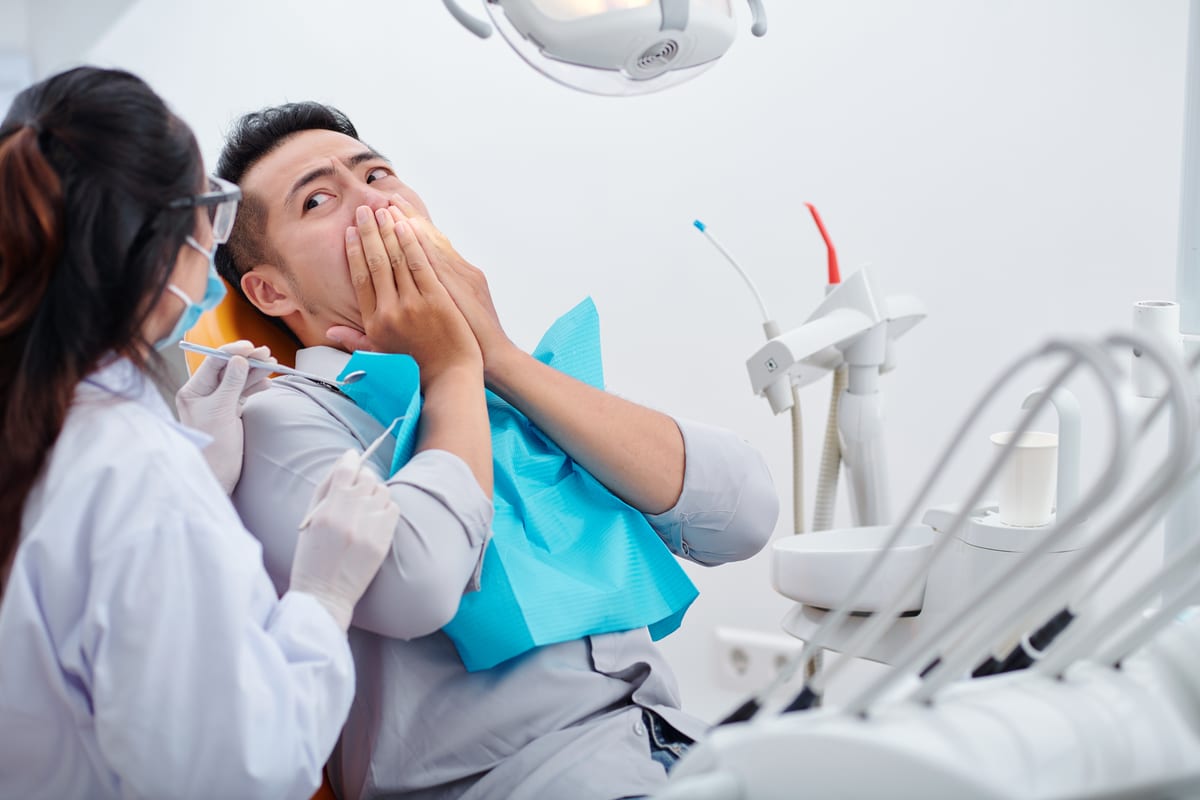
A typical preventive visit for your child is straightforward and stress-free. Dr. Kirk Bean begins with a thorough exam to assess tooth development and cavity risk. X-rays may be taken to check areas not visible to the naked eye. This information guides personalized recommendations for sealants, fluoride, or both.
Sealant application is quick and comfortable. The tooth is cleaned and dried, a conditioning gel is applied briefly, then the sealant is painted on and hardened with a special light. Fluoride varnish is brushed directly onto teeth in a matter of seconds. Most children tolerate both procedures easily, even those who feel nervous about dental visits.
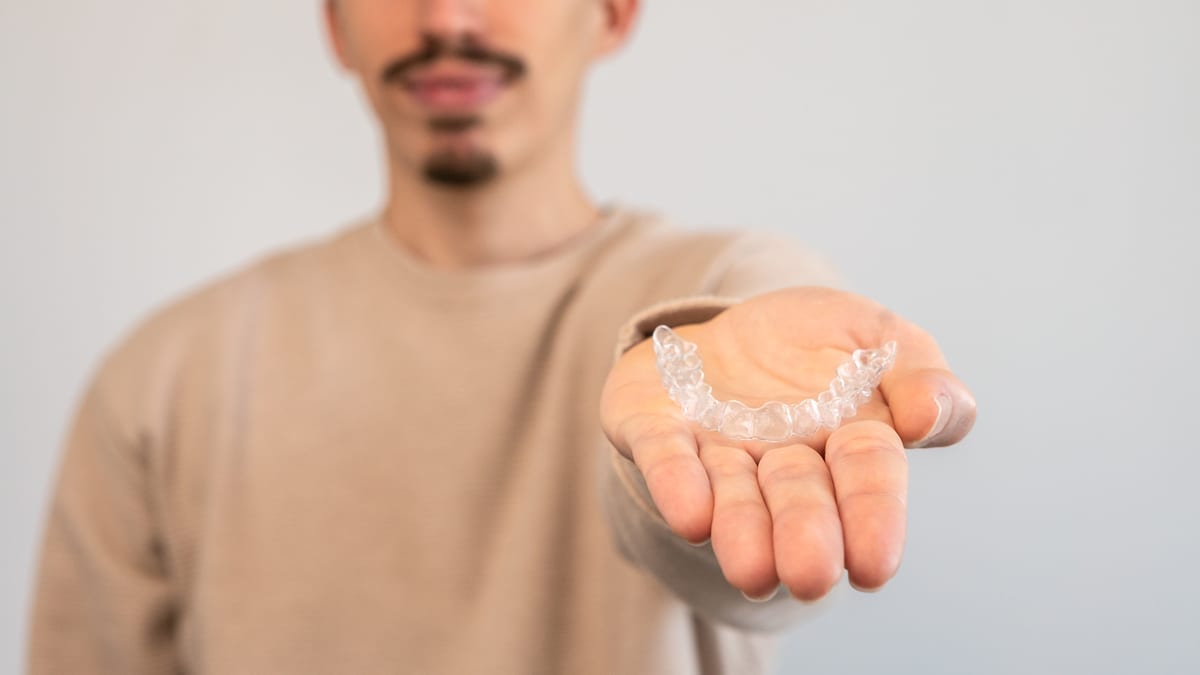
Our team also partners with families on at-home care strategies. We discuss toothbrushing technique, appropriate toothpaste amounts, and diet habits that support healthy teeth. For families interested in orthodontic options, we also offer Invisalign Clear Braces for older children and teens. A healthy foundation in childhood sets the stage for a confident, well-aligned smile.
Conclusion: Empowered Decisions Start with the Right Information
Dental sealants and fluoride are safe, effective, and strongly supported by scientific evidence. Your questions as a parent are not only valid — they are important. Understanding the research helps you advocate for your child with confidence. Dr. Kirk Bean welcomes every question you bring to your appointment in Airway Heights, WA.
No preventive measure is a guarantee, but the evidence behind these two treatments is compelling. When used appropriately and at the right ages, they dramatically reduce the risk of childhood tooth decay. The goal is always to do what is best for your child’s long-term oral health. Book Now to schedule your appointment with our team.
Frequently Asked Questions
At what age should my child get dental sealants?
Most dentists recommend sealants as soon as the first permanent molars come in, usually around age 6. A second round is often recommended when the second molars erupt, around age 12. Early application provides the most protection during the years when children are most prone to cavities. Dr. Kirk Bean will assess your child’s teeth and recommend the right timing during their exam.
How often does my child need professional fluoride treatments?
Most children benefit from professional fluoride treatments every six months during routine dental visits. Children with a higher risk of cavities may be recommended more frequent applications. Dr. Kirk Bean evaluates each child’s individual risk factors before making a recommendation. This personalized approach ensures your child gets the right level of protection.
Can dental sealants fall off, and what happens if they do?
Sealants are durable but can chip or wear down over time, especially with hard foods or teeth grinding. If a sealant falls off, the tooth is no longer protected and becomes vulnerable to decay again. Dr. Kirk Bean checks sealant integrity at every routine visit and can reapply them as needed. Regular checkups are the best way to keep sealants working effectively.
Is fluoride in drinking water safe for my child?
Community water fluoridation has been practiced safely in the United States for over 75 years. The CDC recognizes it as one of the ten great public health achievements of the 20th century. Fluoride levels in public water are carefully regulated and monitored to remain within safe ranges. If you have concerns about your local water supply, a conversation with Dr. Kirk Bean can help clarify your child’s total fluoride exposure.
Do sealants work on baby teeth as well as permanent teeth?
Yes, sealants can be applied to primary (baby) teeth in some cases. This is particularly relevant for children who have deep grooves in their molars or who are at higher risk for cavities. Keeping baby teeth healthy is important because they hold space for incoming permanent teeth. Dr. Kirk Bean will evaluate whether sealants on primary teeth are appropriate for your child.