509-315-9840

Broken Tooth Emergency Dentist in Spokane Valley, WA


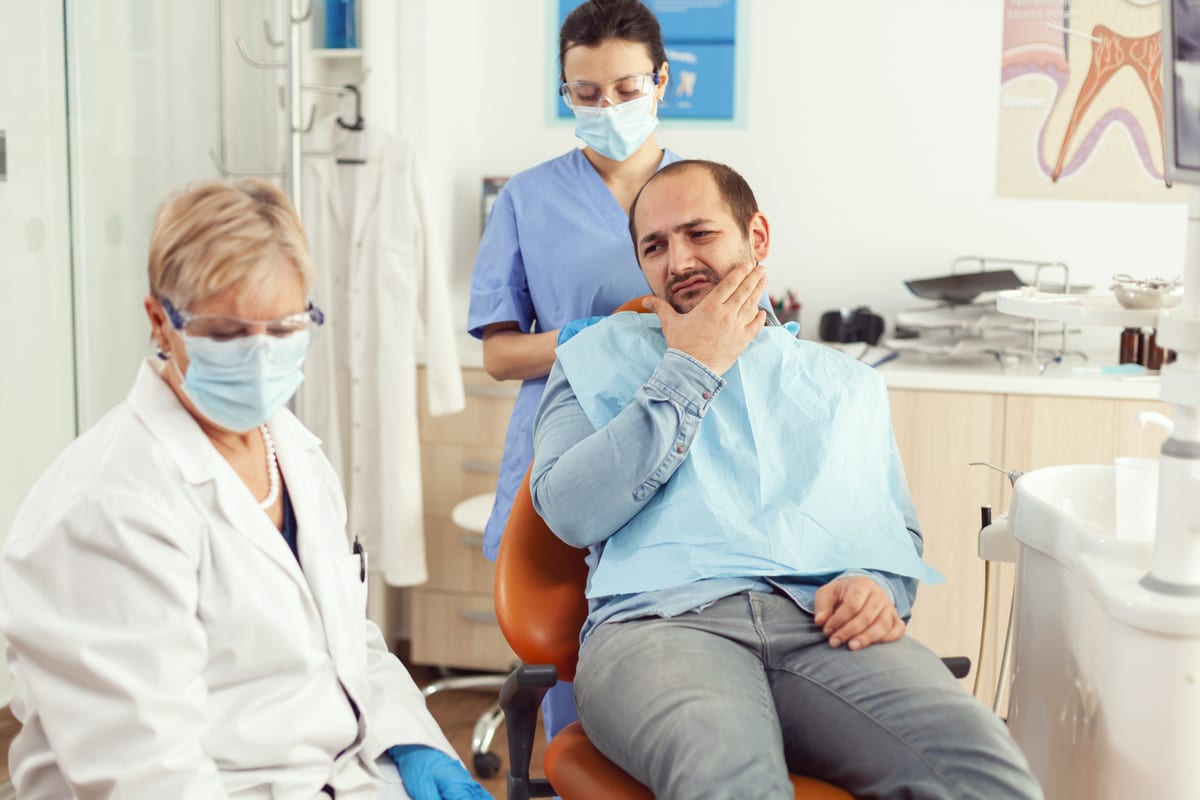
A broken tooth can happen in an instant — one unexpected bite, a fall, or even an old filling giving way. If you’re searching for your broken tooth survival guide before your emergency appointment in Veradale, you’ve come to the right place. Knowing exactly what to do in the next few hours makes a real difference. This guide walks you through every step before you reach Dr. C Orthodontics in Spokane Valley, WA.
How to Know If Your Broken Tooth Is a True Emergency
Not every chip requires a 911-level response. However, some breaks are genuinely urgent and need same-day care. Understanding the difference helps you stay calm and take the right action quickly.
Seek emergency care right away if you notice any of these warning signs:
- Severe, throbbing pain that doesn’t ease up
- A large piece of tooth has broken off completely
- Bleeding that won’t slow down after gentle pressure
- Visible nerve or dark tissue inside the tooth
- Swelling spreading to your jaw or face
- Difficulty swallowing or breathing
A minor chip with no pain can often wait until the next available appointment. Still, you should call Dr. Kirk Bean’s team as soon as possible to get on the schedule. Even small cracks can grow larger over time without treatment.
Your Broken Tooth Survival Guide: First Steps in Veradale
The moments right after a break matter most. Acting quickly and carefully can protect your tooth and reduce your overall discomfort. Follow these steps before you arrive at our Spokane Valley office.
- Rinse gently with warm water. This clears away debris and helps you assess the damage more clearly.
- Apply gentle pressure with gauze. If there is any bleeding, hold clean gauze against the area for ten to fifteen minutes.
- Use dental wax or sugarless gum. Cover any sharp edges to protect your tongue and cheek from cuts.
- Save any broken pieces. Place them in a small container of milk or saline solution if possible.
- Apply a cold compress outside your cheek. Use it in twenty-minute intervals to reduce swelling.
- Take over-the-counter pain relief. Ibuprofen or acetaminophen at the recommended dose can help manage discomfort.
These steps stabilize the situation without causing further harm. They are not a permanent fix — they simply buy you time until you receive professional care.
What to Avoid After Breaking a Tooth
Just as important as what you should do is what you should not do. Some well-meaning actions can actually make things worse. Avoid these common mistakes while you wait for your emergency appointment.
Do not apply aspirin directly to the gum tissue. This is an old home remedy that causes chemical burns rather than relieving pain. Stick to swallowing the medication with water as directed on the label.
Avoid eating on the side of the broken tooth entirely. Hard, crunchy, or sticky foods can cause additional fracturing. Soft foods like yogurt, mashed potatoes, and soup are your best options right now.
Do not ignore the break hoping it will heal on its own. Teeth cannot regenerate lost structure. A small crack left untreated will almost always worsen with regular chewing pressure. The sooner Dr. Kirk Bean evaluates the tooth, the more treatment options remain available to you.
What to Expect at Your Emergency Appointment
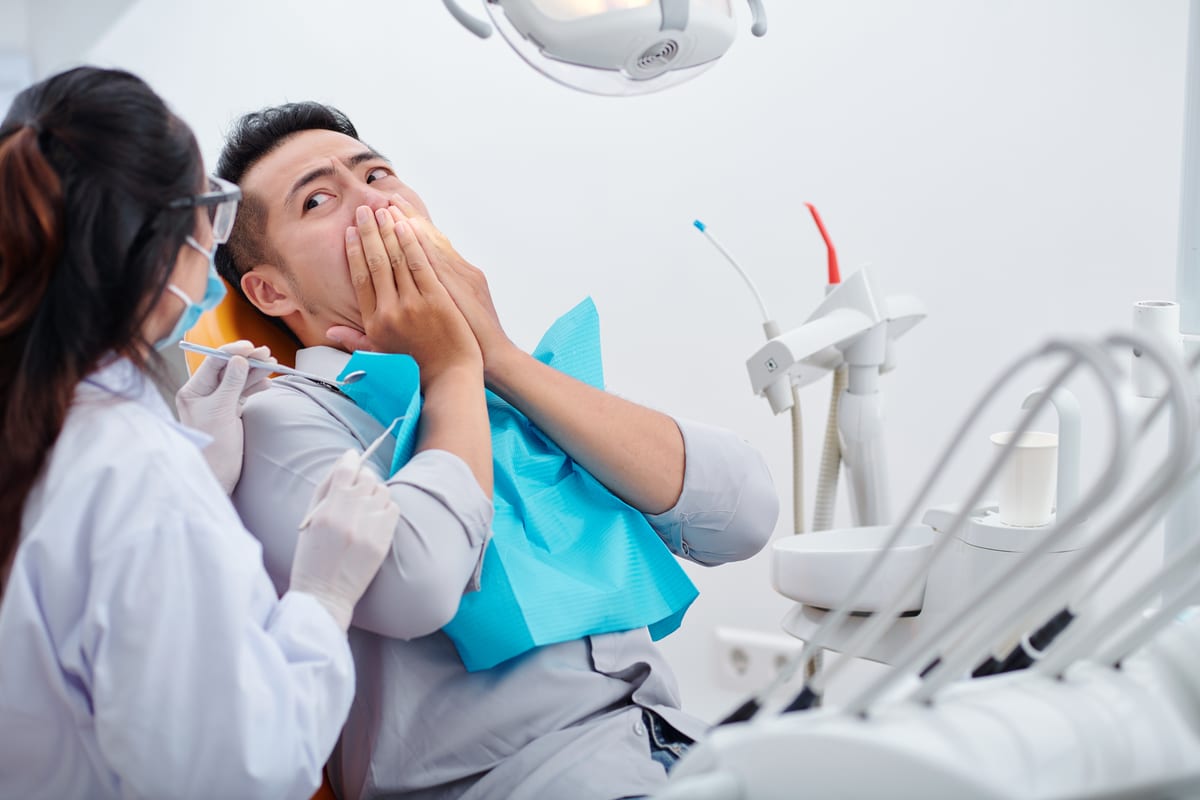
Walking into a dental office during an emergency can feel overwhelming. Knowing what happens once you arrive helps ease that anxiety considerably. Our team at Dr. C Orthodontics is trained to make emergency visits as smooth as possible.
Dr. Kirk Bean will begin with a thorough examination of the broken tooth. This typically includes digital X-rays to see how deep the fracture goes beneath the gumline. The extent of the damage guides the treatment recommendation.
Depending on what the exam reveals, treatment options may include:
- Dental bonding — ideal for minor chips and surface cracks
- A dental crown — protects a tooth with a larger break or structural damage
- Root canal therapy — necessary if the pulp or nerve is exposed or infected
- Tooth extraction — considered only when the tooth cannot be saved
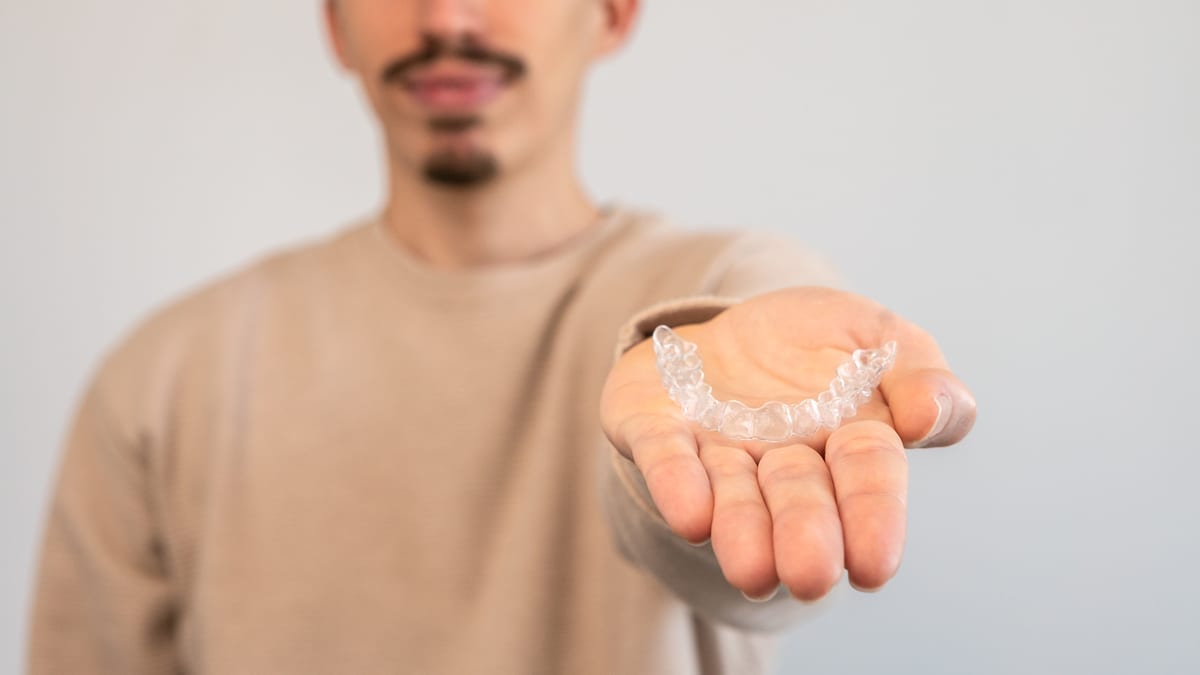
After stabilizing your tooth, Dr. Bean will discuss your longer-term options. For patients who need smile corrections after healing, treatments like Invisalign Clear Braces can be explored once the emergency is fully resolved. We also provide comprehensive care for younger patients, including Pediatric Sleep Apnea evaluations for children with airway concerns.
Preventing Future Dental Emergencies in Veradale
After your tooth is treated, prevention becomes the priority. Many dental emergencies are actually avoidable with the right habits. Dr. Kirk Bean and our team are happy to help you build a stronger, more resilient smile going forward.
Consider wearing a custom nightguard if you grind your teeth while sleeping. Grinding puts enormous pressure on enamel and significantly increases fracture risk over time. A well-fitted guard reduces that stress every night.
Wear a mouthguard during contact sports or recreational activities. Protective gear is one of the simplest and most effective ways to prevent traumatic tooth injuries. This applies to adults and children alike.
Stay consistent with regular checkups at our Spokane Valley office. Routine exams allow Dr. Bean to catch weakened or cracked teeth early — before they break completely. Early intervention is almost always faster, less involved, and more cost-effective than emergency care.
Conclusion: You Don’t Have to Handle This Alone
A broken tooth is stressful, but you now have a clear plan of action. Use this broken tooth survival guide before your emergency appointment in Veradale to stay calm, protect the tooth, and arrive prepared. The team at Dr. C Orthodontics is here to support you every step of the way. Book Now to schedule your appointment with our team.
Frequently Asked Questions
Can a broken tooth heal on its own?
No — teeth cannot self-repair. Once enamel breaks, the damage is permanent without dental treatment. Even a small chip should be evaluated by a dentist to prevent the crack from spreading deeper into the tooth structure.
How long can I wait before seeing a dentist for a broken tooth?
It depends on the severity. Severe pain, exposed nerve tissue, or heavy bleeding requires same-day emergency care. A small surface chip with no pain can typically wait one to two days, but you should still call your dentist right away to get on the schedule.
Is a broken tooth always painful?
Not always. Some fractures cause no immediate pain, especially if the crack is shallow. However, pain can develop quickly once bacteria enter the exposed area. A painless break still needs prompt professional attention to prevent infection or worsening damage.
What is the best thing to put on a broken tooth for pain?
Over-the-counter pain relievers like ibuprofen or acetaminophen are the safest options. You can also apply a small amount of over-the-counter dental cement or wax to cover sharp edges. Avoid placing aspirin directly on the gum or tooth, as this can cause tissue damage.
Does Dr. C Orthodontics see patients for dental emergencies in Spokane Valley?
Yes. Dr. Kirk Bean and the team at Dr. C Orthodontics welcome emergency patients in Spokane Valley and the greater Veradale area. Contact the office as soon as possible to describe your situation and get guidance on next steps before your appointment.