509-315-9840

Top Myths About Ceramic Braces Debunked by Dr. C Orthodontics


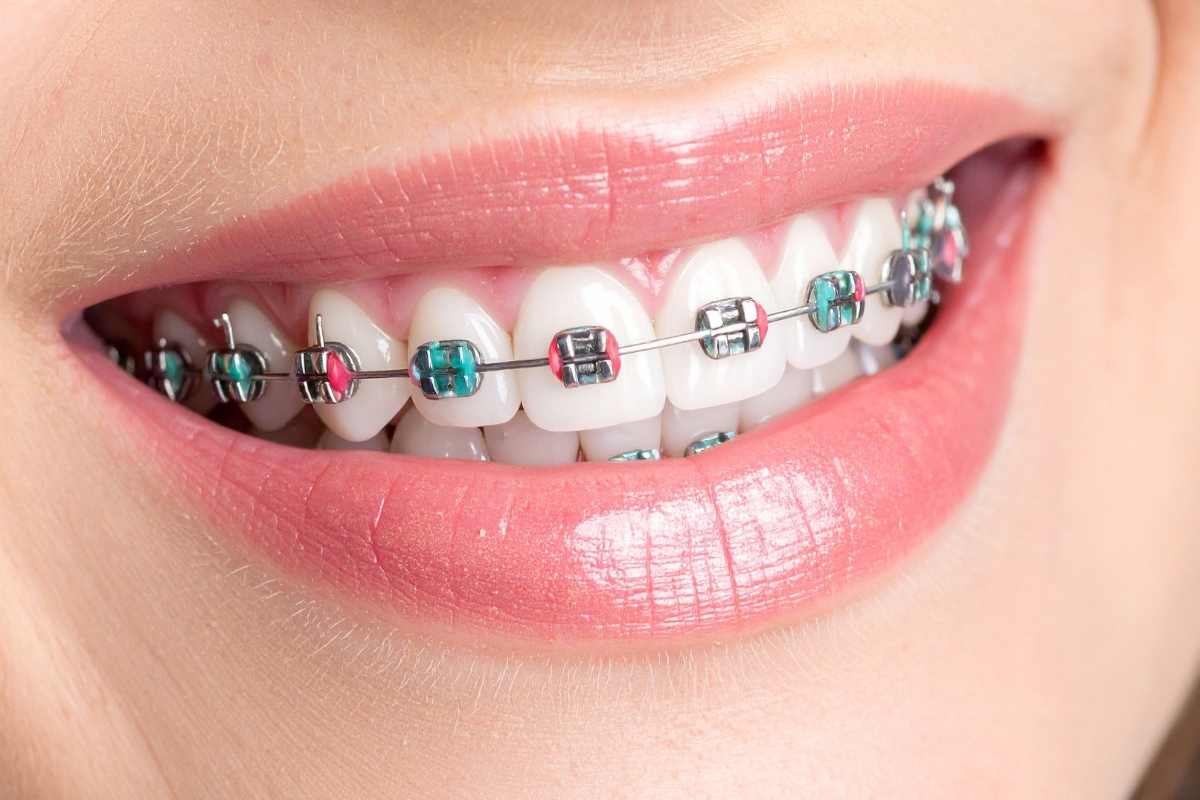
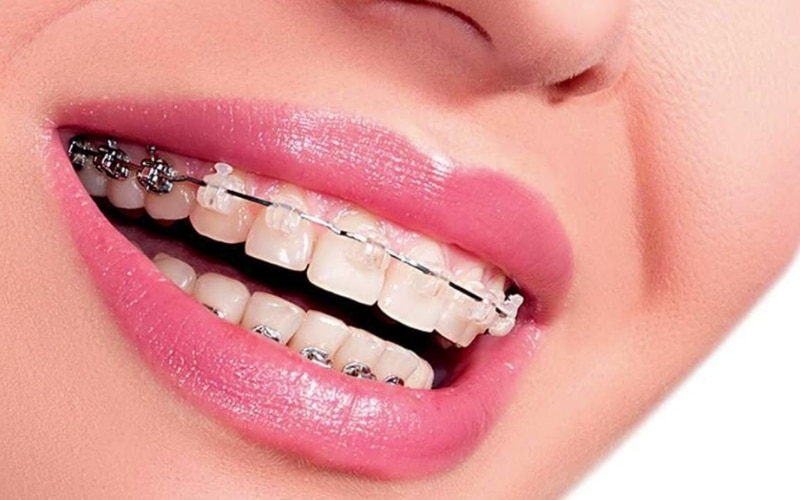
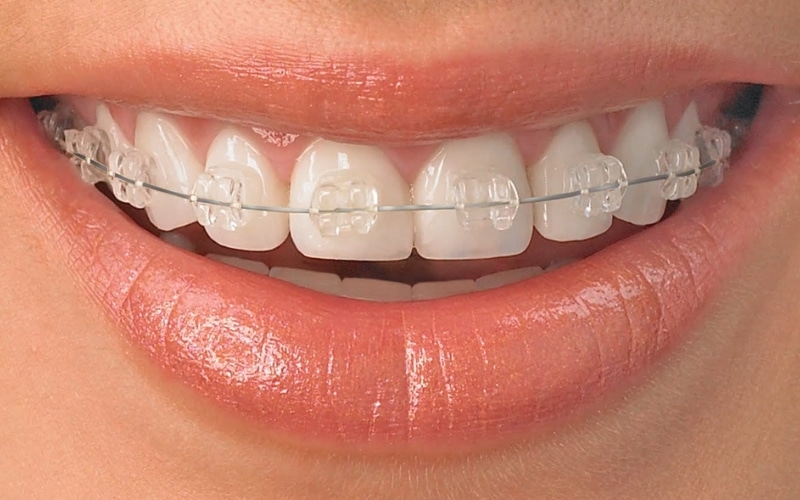
People get a lot of things wrong about ceramic braces. Metal braces have been around forever, so they’re the default, but ceramic braces offer a less obvious and, honestly, just as effective alternative. Of course, myths continue to emerge about them. Let’s clear things up so you know what’s real and what’s just a rumor. Whether you’re thinking about ceramic braces for yourself or someone close to you, Dr. C Orthodontics in Airway Heights wants you to know what these braces can actually do.
Myth 1: Ceramic Braces Break Easily
Many people say ceramic braces are fragile. But here’s the truth: they’re made from sturdy, tooth-colored materials built to handle the forces of orthodontic treatment. Sure, they’re not quite as unbreakable as metal, but they’re no pushovers either. Stick to your orthodontist’s advice – watch what you eat, skip the sticky stuff, and your ceramic braces will hold up just fine.
Myth 2: Ceramic Braces Cost Too Much
People often assume ceramic braces are way out of their budget. Not really. They cost more than metal braces due to the materials and their natural appearance, but most patients find the extra cost is worth it to maintain a low-key look. Additionally, insurance may help cover the cost, so be sure to check with both your orthodontist and your insurance company. You might be surprised at what’s possible.
Myth 3: Ceramic Braces Don’t Work as Well
Some think ceramic braces don’t get the job done just because they’re less noticeable. That’s not true. Ceramic braces straighten teeth using the same system of brackets and wires as metal braces. The only real difference is the material used for the brackets. They tackle overcrowding, misalignment, bite issues — all the usual orthodontic problems. If you want something that blends in but still does the heavy lifting, ceramic braces are a great option.
Myth 4: They Stain and Look Bad
People worry that ceramic braces will stain and end up looking yellow or dirty. The ceramic itself is stain-resistant. What can stain are the clear rubber bands around the brackets, and those get changed out regularly anyway. If you steer clear of foods and drinks that stain, such as coffee, tea, or red wine, and keep up with brushing and your appointments, your braces will remain looking good.
Myth 5: Only Teens Can Get Ceramic Braces
Here’s another one: ceramic braces are just for teenagers. Actually, adults love them too. If you want to straighten your teeth without advertising it to the world, ceramic braces are a great choice at any age. They can be tailored for anyone who wants a discreet option.
Ceramic braces offer a subtle, effective, and comfortable way to straighten your teeth. Don’t let old myths stop you from getting the smile you want. At Dr. C Orthodontics in Airway Heights, we’re all about care that fits you. If you’re interested in learning more about ceramic braces, please don’t hesitate to contact us to schedule a consultation. Let’s get you started on a more confident smile.
FAQs About Ceramic Braces
1. How long does it take to see results with ceramic braces?
While the time varies by individual, most people start seeing noticeable improvements in their teeth alignment within a few months of wearing ceramic braces. Typically, complete treatment takes 18 to 24 months.
2. Are ceramic braces comfortable?
Yes, ceramic braces are designed to be comfortable. The brackets are smooth, and the material is gentle on your gums and mouth. While some discomfort may occur during adjustments, it’s generally mild and short-lived.
3. How do ceramic braces compare to Invisalign?
Ceramic braces are more effective for addressing complex dental issues, such as severe misalignment or bite problems. While Invisalign is a great option for mild cases, ceramic braces are the better choice for those who need more significant adjustments.
4. Can I play sports with ceramic braces?
Absolutely! However, it’s a good idea to wear a mouthguard to protect your braces and your teeth while playing contact sports. Your orthodontist can recommend the best options for mouthguards that will fit comfortably over your braces.